 ZARZA We are Zarza, the prestigious firm behind major projects in information technology.
Listen "111 - Sleep"
Episode Synopsis
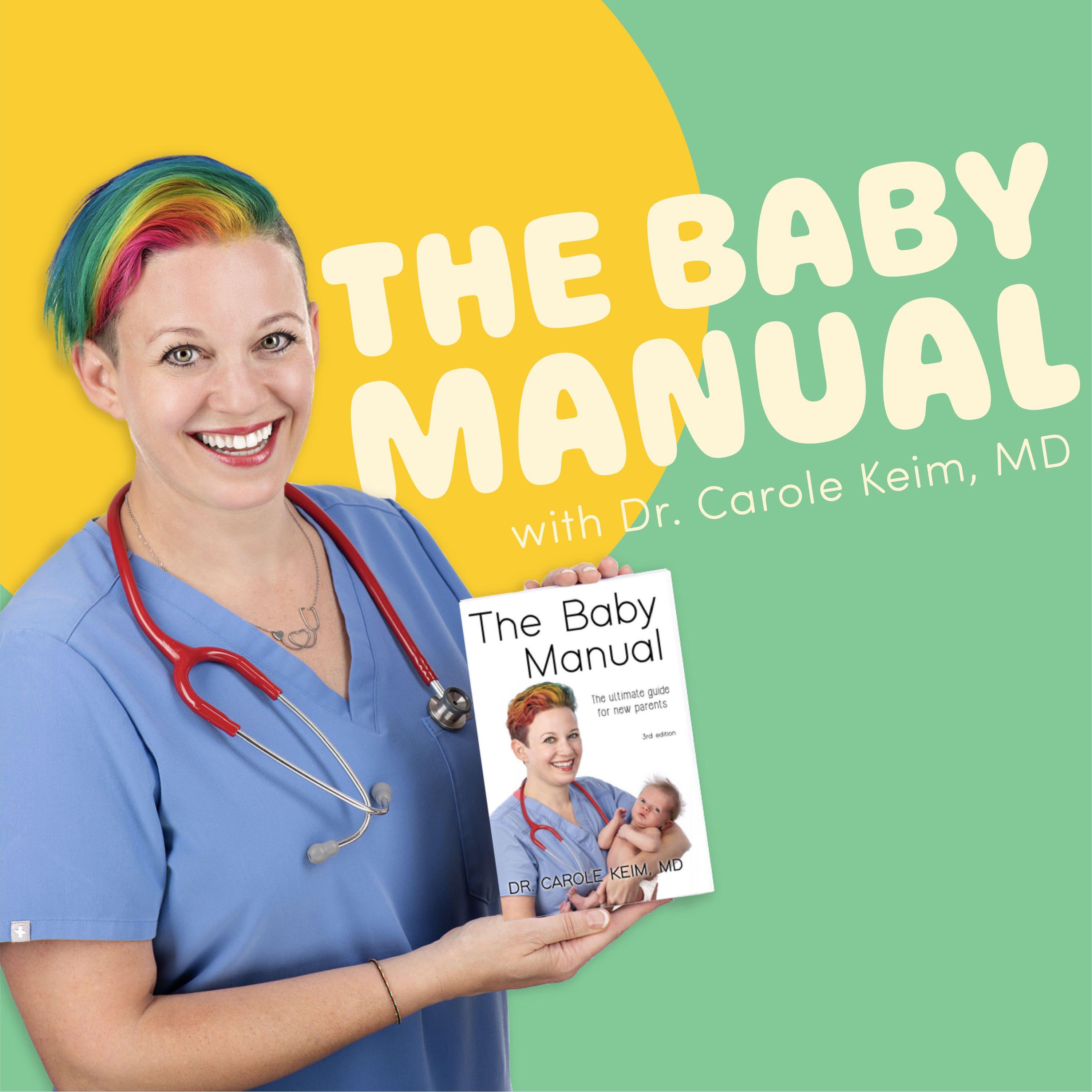
Dr. Carole Keim MD talks you through everything about sleep in this episode. Your baby’s sleep and yours as well. She addresses sleep patterns, helping your baby fall asleep and stay asleep, crying, safe sleep and reducing SIDS risk, and how to consider nighttime work division with a partner so both of you can get your own sleep. Sleep is vital for both you and your baby. For the first months of your baby’s life, they will sleep a lot in two or three hour increments, and wake to feed often, while you don’t really sleep at all. Dr. Carole offers suggestions on how to help your baby learn the difference between night and day so you can teach that nighttime is for sleep. Develop a nighttime routine for your baby that will help them be ready to fall asleep faster in their crib. Dr. Carole also explains why she’s pro-pacifier and swaddling and cautions about other ideas that may not be safe for your baby. Learn all about your baby’s sleep health so you can get back to your own night rest.This episode will cover: Baby sleep patternsHow to help baby fall asleep and transfer to the bedHow much crying is okSafe sleep / SIDSCo-sleepingDivision of night workTips to help you sleep betterSleep trainingBaby sleep patterns: 00:44Newborns: about 18h per day, in 2-3h increments, and MUST be woken up to feed if they have slept 4 hours. NB are only awake to feed/pee/poop/cry. Around a month they learn the night-day difference, and will start to sleep longer stretches at night and shorter ones during the day. They still wake at least 1-3x per night and nap throughout the day. You can help by interacting more during the day, and keeping the lights dim and a quiet voice at night Around 2 months they are allowed to sleep more than 4h at a time; check with your doctor to make sure they are gaining weight consistentlyBy 6 months some babies may sleep through the night, but most will still wake up at least once. They are also typically taking 3 naps per day at this age, then 2/day at 9 mos, and 1/day at 1 year.It is normal even for the first few years of life to wake 1-2x per night. Can make it less appealing by adding water to the bottle after 1y of age.The 4-6mo sleep regression - not a medical thing, may be due to teething. Many babies actually start to sleep better at this age - this is not due to starting solid foods, but more likely due to their ability to consume larger amounts of breastmilk/formula at a time. Total hours of sleep: 18h per 24h for newborn scattered throughout the day, 14-18h per 24h for 6 mos old (12-14 at night, then 2-3 naps 1-2h each), 12-14h per 24h for 1 year (11-12 at night, 1 nap for 1-2h)Help baby fall/stay asleep: 05:43Signs baby is tired: drooping eyelids, rubbing eyes, yawning, fussingSwaddle baby for the first month or until they bust out of it; can go longer if baby loves it, but MUST stop when baby can roll overHave a wind down routineLast nighttime feed in arms / high chairBrush teeth or gumsBath (optional; they don’t need it daily, but it can be relaxing)Sway/rock with baby in armsSpeak in a quiet, soothing voiceRead a book / sing a lullabyPlace baby down “awake but drowsy” - they will get used to falling asleep in their bedAll babies hate their bed!If baby falls asleep in arms, transfer quickly to bed, place a hand over them for 10-20 seconds or until they seem settled in, then walk awayFor babies who seem to want more, can sit in a chair near the crib and move the chair progressively farther away each night, eventually stand in doorway while they fall asleep, then you should be able to walk awayCan try adding in blackout blinds, white noise machine, lotion, etc - keep in mind that baby will get used to this and it can make sleep harder laterTylenol/ibuprofen at bedtime for teething infants can help them sleep betterDO NOT put rice cereal in the bottle for sleep, or start solids early; these actually contain less calories per ounce than breastmilk/formula and will make them get hungry sooner DO NOT use melatonin in babies less than a year, or for more than 2 nights in a row after 1 year of ageDO NOT give your infant or child sedating antihistamines or other sleep medicines, they are not safe How much crying is reasonable? 12:07Most babies will wake up a little as you set them down, and many will cry It’s ok to put a hand on them, rock them gently in their bed, pat them gently, talk to them, sing, etc. but try not to pick them up for a few minsGenerally 5-20 mins of crying is ok, but if it is hard for you to wait that long it’s ok to pick baby up sooner. Just make sure you give them a chance to self-soothe.This is not the same as cry-it-out or CIO; that allows them to cry until they become exhausted and fall asleep, and I do NOT recommend thatIf your baby cries to the point of breath holding, gasping, or vomiting, that is too muchSafe sleep / reducing the risk of SIDS: 13:31The ABCs of safe sleep: Alone, on their Back, in a CribAlone - no blankets until 1 year of age, and no pillows until age 2. No toys, no crib bumpers, no loose sheets, no netting. They CAN have a pacifier and be swaddled.Back, on their - aka face up Crib - may also be a bassinet or other safe surface. Safe sleep surfaces are firm, have tight-fitting sheets, and baby is unable to fall out of it. It is ok for baby to sleep in a car seat, swing, or stroller for about 20-30 mins while observed, but you must transfer to a safe sleep surface ASAP for babies less than 6 months. Pacifiers can reduce the risk of SIDSSmoking is a big risk factor for SIDS, so smoking outside or stopping smoking will help reduce this risk Around 4-6 months when baby is rolling: No swaddlingNo blankets When they roll themselves over, you don’t have to turn them back. still place them on their back to sleep initially though.Transition to crib in parents’ room until 1y of ageCrib in their own room at 1 yearToddler bed when you are ok with them getting out of it or if they are escaping the crib (typically age 2-3)Co-sleeping: 17:14Considered unsafe by the AAP for the first year of lifeAfter 1 yr can sleep in a bed with blankets, and at age 2 can have pillows; safe to co sleep at age 2 yearsMany parents will co-sleep at some point, often when baby is sick, which is arguably the most dangerous time To co sleep safely: firm mattress (with tight fitted sheet) on the floor, no blankets, no pillows There are safe and unsafe co-sleepers on the market. Safe ones have 3 or 4 hard sides, and a firm flat bottom, and are sometimes also called bassinets. Unsafe ones have soft pillow sides, or are inclined more than 10 degrees. It is not safe to sleep in a chair holding your baby, or to sleep with your baby lying next to or on top of you in bed Tips to help you sleep better: 19:45If you have a partner: divide the nightSplit the night into shifts from 10p-2a and 2a-6a. Keep in mind, newborns will be more awake during that 2-6am time (for the first month or so) and mom’s milk production is highest at that time. Baby takes bottles of EBM during partner’s shift, and mom pumps. Alternate nightsSplit the duties: one parent feeds, the other changes diapers. I typically don’t recommend this one, because then neither parent gets any stretch of sleep longer than 2-3 hourMinimize screen time, and no screens for 2h before your ideal bedtime. The blue light from screens decreases sleep quality. Amber glasses and night-shift mode can help, but no devices is better. Have a wind-down routine for yourself that includes hygiene and a relaxing activity like stretching, meditating, praying, or reading Keep the bedroom dark and quiet; consider blackout blinds and white noise machine for parents’ roomAvoid caffeine and alcohol; both will decrease sleep quality. Drink loads of water.Eat healthy power snacks at night (plain yogurt, cottage cheese, fruit, nuts) if you are breastfeeding, rather than processed foods which provide quick energy/calories and could make it harder to go back to sleep. Have a lighter meal in the eveningIf you are anxious about sleeping through something important, keep in mind that a baby’s cry is the very best alarm clock for moms, they tend to be in sync with mom’s sleep cycle (so you are likely to wake at the same time anyway), and you can always set a 4-hour timer to wake you both up so baby doesn’t sleep through a feed Avoid sedating medications whenever possible (especially OTC ones like diphenhydramine or melatonin) because you need to be able to wake up when your baby needs you Go to bed after your baby’s first evening feed (the one after your dinner). It can add 2-3 hours of sleep per night, which is immensely helpful Sleep training: 27:53Cry it out / Extinction method: Leave them until they fall asleep, do not go back to check on them. This is not recommended, babies feel neglected and very stressed with this method.Babywise: Schedule feedings, play, and sleep. This is not recommended; has been associated with serious problems (dehydration, poor weight gain, failure to thrive, delayed development, early weaning)Dr. Sears: promotes co-sleeping and following baby’s cues; co-sleeping is not recommended.Dr. Spock: recommends following baby’s cues but suggested placing them face down, which is associated with SIDS and not recommended.Ferber method: Have a wind-down routine. Leave the room, and allow progressively longer intervals of time before checking on baby (every 5 mins, then every 10, then every 15, etc); when you check on baby you may verbally soothe but do not pick them up.Happiest baby on the block: 5 s’s: swaddling, side/stomach position, shushing, swinging, and sucking. Swaddling and side/stomach are not recommended, but shushing, gently swinging/swaying with baby, and allowing them to suck on a pacifier are all recommended.Closing remarks: 31:43This is one of the hardest things parents deal with (their lack of sleep due to baby’s inconsistent sleep)The first few weeks are the hardest; it gets better with time, and all people eventually sleep through the night, typically by the time they are going to preschool Try not to compare babies (siblings, cousins, friends’ babies, yourself as a baby etc.). Babies are all different and there is a HUGE range of normal. There are SO MANY sleep books out there because there are so many different ways to ‘train’ your child to sleep - feel free to read them, but keep in mind that if there was one book that actually worked for all children, it would be the only book. Switching between different things can actually make it harder for your child to fall asleep. Consistency is key here. Pick a pattern and stick to it, and your baby will adapt, typically within a few days. Sleep is VERY cultural and you will have lots of opinions; please keep in mind safe sleeping practicesOptimizing your sleep will make you feel better, keep you healthier, and allow you to be the best version of yourself for your babyAll of this information on sleep is also in The Baby Manual book, which is available for purchase. And remember to also protect your own sleep to help you be the best parent you can be for your baby. Resources discussed in this episode:The Baby Manual - Available on AmazonEpisode 8 - Feeding and Teeth--Dr. Carole Keim MD: linktree | tiktok | instagram
Win an awesome bundle of vegan hair dye and accessories.The Baby Manual Podcast is running a competition in collaboration with Arctic Fox where you could be in with the chance to win a FREE complete hair transformation kit.How to enterEntering the competition is easy:Follow The Baby Manual podcast on YouTube (link here), Spotify (link here), or Apple (link here).Fill in this form (link here)We'll pick a winner at random.We'll let the lucky winner know (with the email you've provided).Arctic Fox will be in touch to arrange shipping of your PRIZE.Check out Arctic Fox's website - use code DRKEIM at checkout for 15% discount.Important informationYour details will be shared with Arctic Fox so they can arrange shipping your prize. Arctic Fox don't ship to: Algeria, Argentina, Chile, China, Greece, Indonesia, Iran, Italy, Malaysia, Mexico, Peru, Russia, Spain, Republic of Türkiye, Ukraine, Uruguay, Vatican City, Venezuela, Vietnam, and International PO Boxes.—— Did you know an estimated 18 to 20 billion disposable diapers go into the landfills every year in the us? And those diapers take between 400 and 500 years to break down because of the plastic in them. HIRO Diapers is helping the planet and also helping parents out by not being any more expensive than regular disposable diapers.These diapers are made with no plastic. They also come with these packets of fungal spores that you can drop in the diaper. And when those go into the landfill, they grow into a fungus that eats the plastic around them so you can help the planet get healthier while also helping your baby.Check out the website. They also do a monthly diaper subscription. Use code DRCAROLEKEIM for a discount. Hosted by Simplecast, an AdsWizz company. See pcm.adswizz.com for information about our collection and use of personal data for advertising.
Win an awesome bundle of vegan hair dye and accessories.The Baby Manual Podcast is running a competition in collaboration with Arctic Fox where you could be in with the chance to win a FREE complete hair transformation kit.How to enterEntering the competition is easy:Follow The Baby Manual podcast on YouTube (link here), Spotify (link here), or Apple (link here).Fill in this form (link here)We'll pick a winner at random.We'll let the lucky winner know (with the email you've provided).Arctic Fox will be in touch to arrange shipping of your PRIZE.Check out Arctic Fox's website - use code DRKEIM at checkout for 15% discount.Important informationYour details will be shared with Arctic Fox so they can arrange shipping your prize. Arctic Fox don't ship to: Algeria, Argentina, Chile, China, Greece, Indonesia, Iran, Italy, Malaysia, Mexico, Peru, Russia, Spain, Republic of Türkiye, Ukraine, Uruguay, Vatican City, Venezuela, Vietnam, and International PO Boxes.—— Did you know an estimated 18 to 20 billion disposable diapers go into the landfills every year in the us? And those diapers take between 400 and 500 years to break down because of the plastic in them. HIRO Diapers is helping the planet and also helping parents out by not being any more expensive than regular disposable diapers.These diapers are made with no plastic. They also come with these packets of fungal spores that you can drop in the diaper. And when those go into the landfill, they grow into a fungus that eats the plastic around them so you can help the planet get healthier while also helping your baby.Check out the website. They also do a monthly diaper subscription. Use code DRCAROLEKEIM for a discount. Hosted by Simplecast, an AdsWizz company. See pcm.adswizz.com for information about our collection and use of personal data for advertising.
More episodes of the podcast The Baby Manual
511 - Family Medicine with Dr. David Tusek
03/12/2025
506 - Dentistry with Dr. Ian Kott, DDS
24/09/2025
505 - Dermatology with Dr. Teresa Wright, MD
10/09/2025
503 - Genetics with Dr. David Tegay, DO
13/08/2025
 In God we trust