 ZARZA We are Zarza, the prestigious firm behind major projects in information technology.
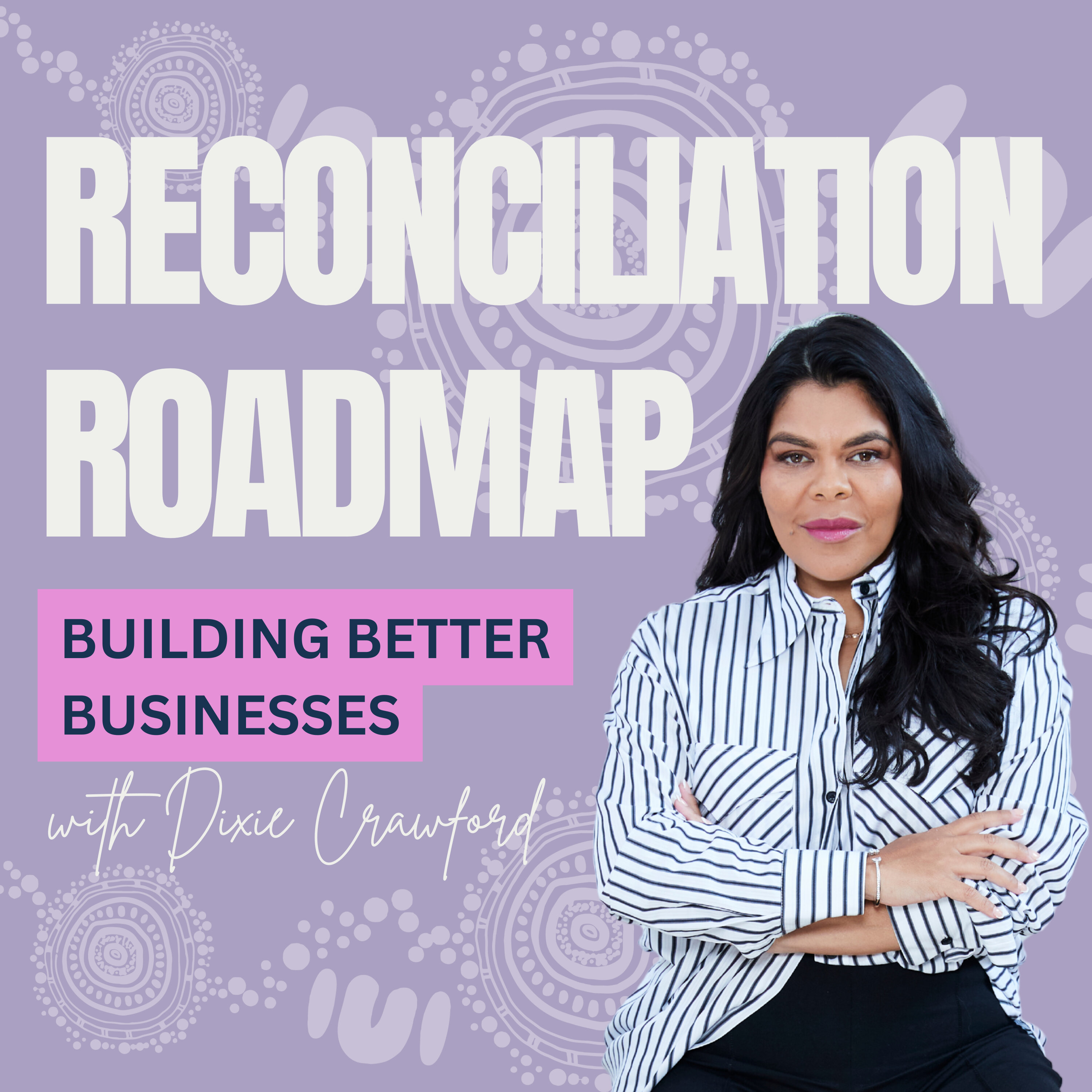
Listen "40. Hiring First Nations Staff Doesn’t Equal Reconciliation"
Episode Synopsis
In this episode, Dixie Crawford discusses the importance of genuine reconciliation with First Nations people in the workplace. She emphasises that hiring Indigenous staff is just the beginning and that organisations must create a supportive and culturally safe environment for them to thrive. Dixie outlines common misconceptions about reconciliation, the need for systemic change, and practical steps organisations can take to ensure meaningful employment practices. She challenges leaders to reflect on their systems and culture to truly support First Nations staff. Takeaways Hiring First Nations people is a responsibility, not a token gesture. Cultural safety is essential for retention and success. Recruiting alone does not equate to reconciliation credibility. Representation must come with influence and respect. Systems and culture must change to support First Nations staff. Conducting an employment audit is crucial for understanding representation. Culturally safe employment pathways are necessary for success. Avoid placing the cultural burden on a single staff member. Reconciliation requires collective effort, not individual action. Leadership must focus on how to support First Nations staff effectively. Chapters 00:00 Acknowledging Country and Responsibility 00:56 The Misconception of Hiring as Reconciliation 03:17 The Importance of Cultural Safety and Support 05:36 Building a Culturally Safe Employment Pathway 06:58 Moving Beyond Tokenism to Transformation Follow Dixie's work on LinkedIn Dixie Lee Crawford | LinkedIn Enquiries: [email protected] omnystudio.com/listener for privacy information.
More episodes of the podcast Reconciliation Road Map - Building Better Businesses
45. RAP Burnout Prevention
24/09/2025
44. Peer Accountability Models
17/09/2025
43. Missteps That Became Progress
10/09/2025
42. Navigating Difficult Feedback
03/09/2025
41. Rebuilding Beyond Autonomy
27/08/2025
 In God we trust