 ZARZA We are Zarza, the prestigious firm behind major projects in information technology.
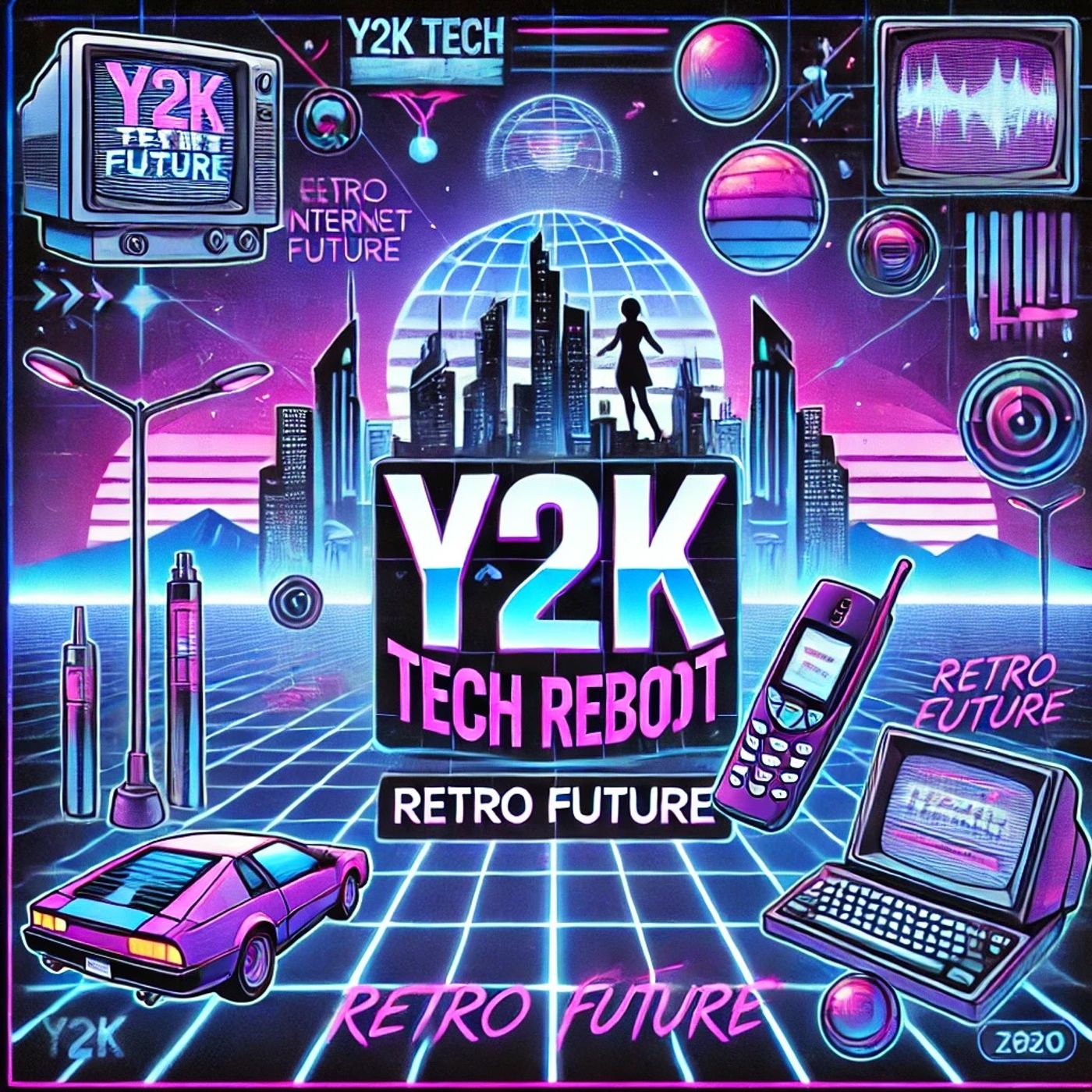
Listen "Y2K Revival Meets Modern Tech: How Nostalgic Design and Futuristic Innovation Reshape Culture in 2023"
Episode Synopsis
Y2K Tech Reboot: Retro Future is more than an aesthetic; it is a full‑scale cultural remix where turn‑of‑the‑millennium optimism collides with 2020s technology. Fashion platforms like Slam Jam describe how cyber‑inspired streetwear, metallic fabrics, low‑rise silhouettes, and pixelated graphics have returned to runways and underground scenes, echoing the days of dial‑up dreams and desktop wallpapers while being cut with modern technical materials and sustainable production. Luxury and experimental labels now pair iridescent nylon and reflective trims with ergonomic, tech‑wear details, turning every outfit into a wearable interface.In music and nightlife, the late‑90s and early‑2000s club sound is back at the center of the dance floor. DJs are crate‑digging for trance, blog‑era electro, and early UK garage, while new producers are folding those glossy supersaw leads and glassy pads into hyperpop, deconstructed club, and AI‑assisted production tools. Vinyl and CDs branded with CRT fonts and “system error” artwork sell out at independent shops, and small festivals lean into LAN‑party visuals, wireframe grids, and loading bars as stage design.Tech itself is being rebooted as a kind of comfort object. Young listeners adopt flip phones and point‑and‑shoot digital cameras as a deliberate escape from infinite scrolling, turning clamshell Nokias, pastel iBooks, and transparent plastic gadgets into collectible hardware. Nostalgic web design—gradients, bevels, and lo‑fi GIFs—is resurfacing in fan sites, indie game menus, and visual albums that feel like lost software from 2001 finally compiled on modern machines.The retro future mood also shapes how people imagine AI and virtual life. Instead of sleek, invisible interfaces, creators lean on chunky icons, messenger windows, and HUD overlays that look ripped from early instant messaging clients or PlayStation 2 start screens. Artists and coders stage installations that frame today’s neural networks as if they were mysterious black‑box consoles hidden behind translucent colored plastic, asking what might have happened if the Y2K era’s optimism about cyberspace had met today’s algorithmic reality.For many, this Y2K reboot is a way to process anxiety about always‑on technology by revisiting the last moment when going online felt new, finite, and full of possibility. It is not just about going back, but about rewriting that timeline—imagining a future that keeps the glow of the past while questioning the systems we actually built.Thank you for tuning in, and don’t forget to subscribe. This has been a quiet please production, for more check out quiet please dot ai.Some great Deals https://amzn.to/49SJ3QsFor more check out http://www.quietplease.aiThis content was created in partnership and with the help of Artificial Intelligence AI
More episodes of the podcast Y2K Tech Reboot: Retro Future
Y2K Tech Revival Transforms Modern Gadgets with Nostalgic 90s Design and Cutting Edge Functionality
11/12/2025
Y2K Tech Revival Transforms Fashion Design and Digital Culture with Nostalgic Futuristic Aesthetic
02/12/2025
Y2K Aesthetic Resurges: How Early 2000s Tech Nostalgia is Reshaping Modern Culture and Design
29/11/2025
Y2K Revival: How Millennial Nostalgia Transforms Fashion Tech and Culture in the Digital Age
27/11/2025
 In God we trust