 ZARZA We are Zarza, the prestigious firm behind major projects in information technology.
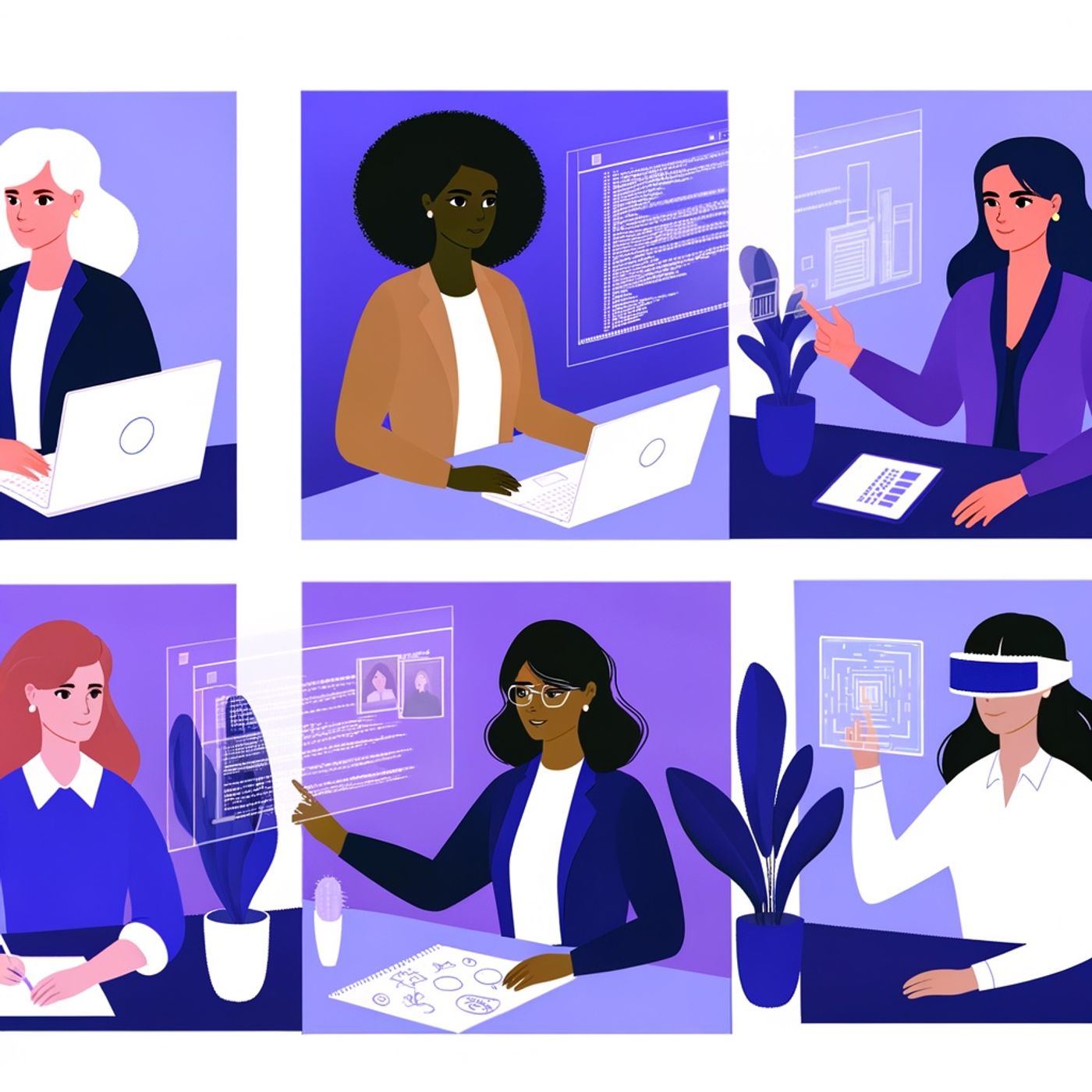
Listen "Breaking the Code: Navigating Tech's Gender Gaps from Silicon Valley to Main Street"
Episode Synopsis
This is your Women in Business podcast.Welcome to Women in Business. I’m so glad you’re here as we dive into what it means to navigate the economic landscape as a woman in today’s tech industry. Let’s be direct—the numbers tell the story first. According to Women in Tech Network, women now make up about 35% of employees in the U.S. STEM workforce, which is a jump from just 9% in the early 2000s. But while that’s real progress, it’s still far from parity, and the true test is not just getting women into the sector but making sure they stay, rise, and thrive in it.The tech industry is still largely shaped by systemic gender gaps—a reality that extends from pay gaps and underrepresentation in leadership to challenges with mentorship and access to networks. For example, only one in five American software developers are women, and women hold just 24% of tech leadership roles. That means talented people like Ginni Rometty, former IBM CEO, or Kimberly Bryant, the founder of Black Girls CODE, are exceptions, not yet the norm. The barriers are many, from the infamous glass ceiling to persistent gender bias and a notable lack of transparency in promotions. In the most recent Women in Tech Barriers to Leadership survey, 72% of women reported that bias had affected their advancement opportunities, and over half said they didn’t have the same access to networking as their male colleagues.Location also plays a huge role. While San Jose, California, remains a hotspot for tech careers, cities like Little Rock, Arkansas, and Columbia, South Carolina, are emerging as new leaders for gender diversity and pay equity in tech. This shift highlights how local culture and policy can directly impact opportunity and advancement. It’s a timely reminder that change can be both top-down and grassroots, whether it’s encouraging early STEM engagement through programs like ADVANCE and STEM Like a Girl or employers offering meaningful remote work options and clear promotion tracks.Retention is still a critical challenge. About half of all women who enter tech leave the industry by the age of 35—a stunning statistic that points to ongoing issues with work-life balance, burnout, and lack of inclusion, especially for women of color. And we can’t overlook the impact of recent tech layoffs, which studies have shown have disproportionately affected women, putting hard-won gains at risk.So as you navigate your own path or look for ways to support women colleagues, consider these five key discussion points. First, the importance of transparent and supportive advancement opportunities. Second, making mentorship accessible, especially for early-career women and those from underrepresented backgrounds. Third, the value of flexible work that addresses burnout and lets women lead lives, not just work them. Fourth, investing in educational pipelines so that more young women see themselves in tech from an early age. And finally, leveraging local resources and networks—whether you’re in a big tech hub or an emerging market.Thanks for tuning in to Women in Business. Don’t forget to subscribe for more conversations, inspiration, and real talk on women leading in today’s world. This has been a Quiet Please production, for more check out quietplease.ai.For more http://www.quietplease.aiGet the best deals https://amzn.to/3ODvOtaThis content was created in partnership and with the help of Artificial Intelligence AI
 In God we trust