 ZARZA We are Zarza, the prestigious firm behind major projects in information technology.
Listen "Horesh"
Episode Synopsis
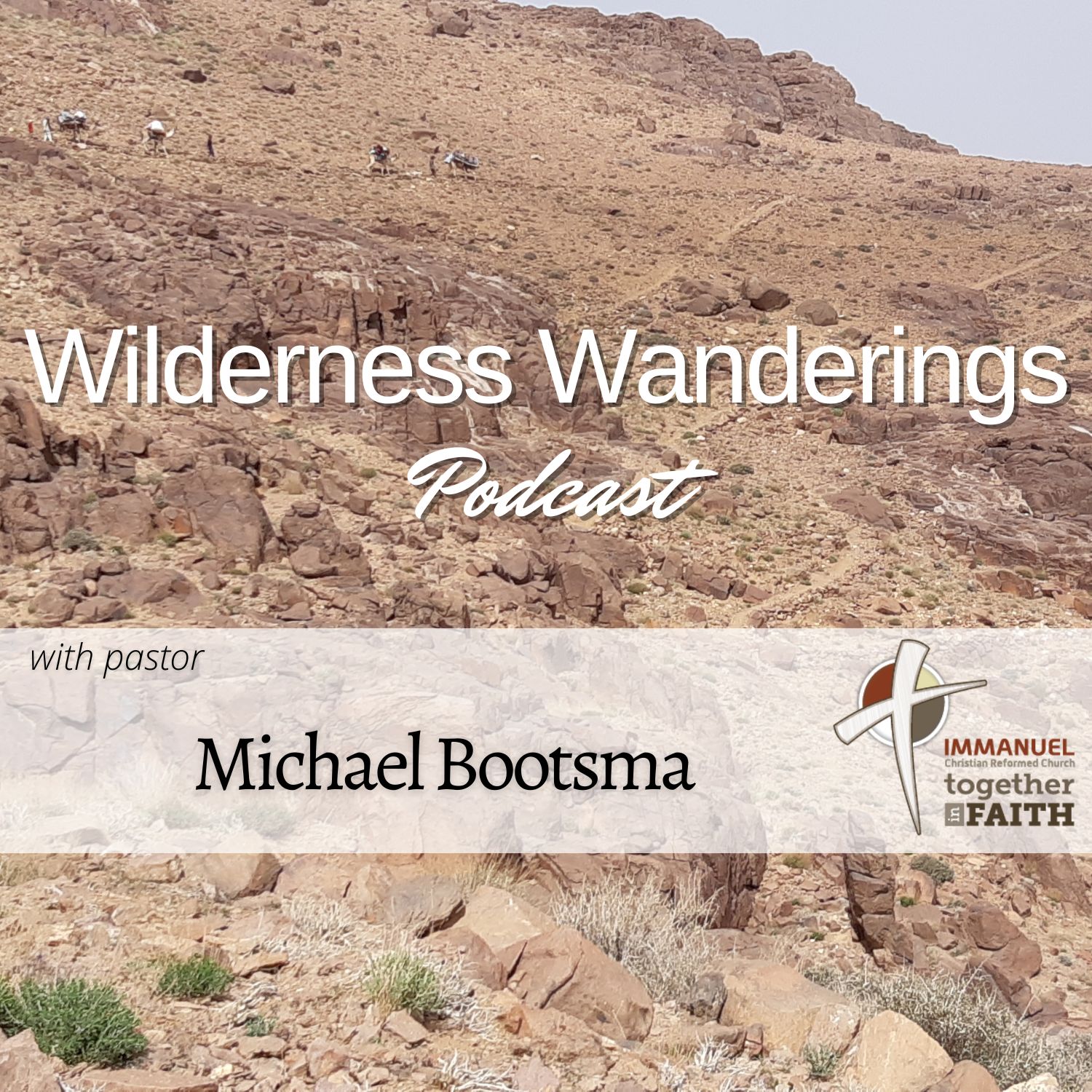
David stayed in the wilderness strongholds and in the hills of the Desert of Ziph. Day after day Saul searched for him, but God did not give David into his hands. While David was at Horesh in the Desert of Ziph, he [was afraid because] Saul had come out to take his life. And Saul's son Jonathan went to David at Horesh and helped him find strength in God. "Don't be afraid," he said. "My father Saul will not lay a hand on you. You will be king over Israel, and I will be second to you. Even my father Saul knows this." The two of them made a covenant before the LORD. Then Jonathan went home, but David remained at Horesh. (1 Samuel 23:14-18) This is the story that introduces the cat and mouse game of David evading Saul in the wilderness. It happens at "Horesh," which is a word that can take two different meanings. It can refer to a sort of silence or to the work of human hands. In this set of verses, both meanings are in play. David is faced here with God's "silence" (horesh) and his own fear of Saul. The question is will he trust his fear and so rely on the "work of his own hands" (horesh) to solve it, as Saul does? Or will he trust in this God who is horesh, silent? It is here in this wilderness that David must begin to learn a more mature fear of the Lord. This is not the battle of David and Goliath where the battle lines are clear, the army and King stand behind him and the Lord before him. No, now David is a fugitive from the State, driven from his home, searching in deserts and foreign countries for refuge, clinging to the promise of God while facing down God's "horesh" silence. It is not unlike so many wilderness moments in our own life. Something happens that unsettles us, leaves us feeling threatened. A medical scare, a financial jolt, a shifting landscape underfoot in the society or institutions we thought were secure—even the church. Faced with God's relative silence and a threat looming overhead do we choose to fear the Lord or the threat? It is at this moment that Saul's son Jonathan suddenly appears. No one knew where David was. Yet somehow Jonathan finds him. His name means "gift of God." "Nathan" being the Hebrew word for "gift," and "Jo" being a prefix that refers to God. The text says that God did not "nathan" (give) David into Saul's hands. But God's hand does offer a "Jo-nathan" (gift of God) to David in the form of a friend who appears in a silent, wilderness moment to help David re-find his strength in God. "Do not be afraid" Jonathan says. They then reaffirm their love and commitment to one another and Jonathan leaves. David remains in Horesh, this wilderness place of silence. But now, somehow, David is no longer quite so alone or afraid. God may be silent, but by his gifts of friendship, love, and encouragement, David can once again recognize God's hand on the move. As the story continues, Saul really does find out where David is and comes down in pursuit of him. However, we discover that David is no longer in the "horesh" place of silence and testing. Now he is in the Desert of "Maon," a word which means "help" or "refuge." Though "Saul and his forces were closing in on David to capture them," God suddenly intervenes to force Saul to turn away. David and his men are saved, not by what their hands have done (horesh), but by the one in whom they have taken refuge (maon). God remains our refuge and strength today, though at times he is also silent. The invitation is not to take matters into your own hands in those moments, but to trust him even if you can't hear him. His gifts are usually not far away. As you journey on, go with the blessing of God: May the peace of the Lord Christ go with you : wherever he may send you. May he guide you through the wilderness : protect you through the storm. May he bring you home rejoicing : at the wonders he has shown you. May he bring you home rejoicing : once again into our doors.
More episodes of the podcast Wilderness Wanderings
The Music of God's Victory
29/10/2025
Godly Contentment
27/10/2025
Creation Rhythm
24/10/2025
There is Hope for Us
22/10/2025
Honesty
20/10/2025
Friends of God
19/10/2025
A Different Kind of God
17/10/2025
The Hospitality of Jesus
15/10/2025
Yes & No
14/10/2025
The Apps of Grace
10/10/2025
 In God we trust