 ZARZA We are Zarza, the prestigious firm behind major projects in information technology.
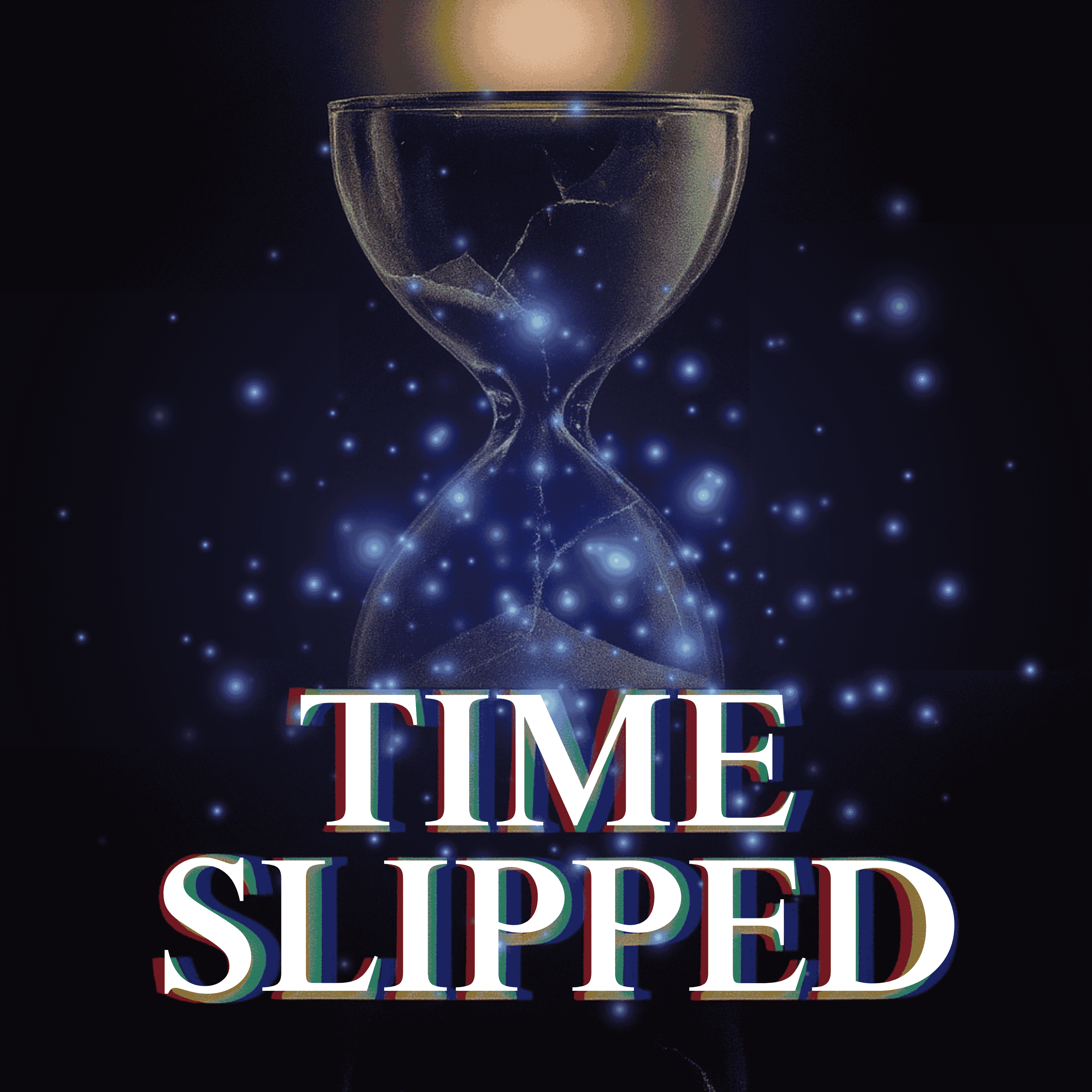
Listen "Déjà Vu Explained: When the Present Doesn’t Feel New"
Episode Synopsis
What if déjà vu isn’t a memory glitch — but a moment where time hesitates?Time Slipped was recently named #2 on FeedSpot’s Top 10 Déjà Vu Podcasts — and in that spirit, this episode dives straight into the phenomenon itself.Most people experience déjà vu at some point in their lives.Usually as a brief flicker — a strange sense that the present has already happened.But what if that feeling isn’t just a passing glitch?What if it’s a moment where time itself feels unreliable?In this episode of Time Slipped, we explore déjà vu from every angle — historical, neurological, psychological, and experiential — to understand how it happens, why it feels so unsettling, and what science can and can’t fully explain.We trace the origins of the term déjà vu, examine why the sensation feels more like recognition than memory, and explore real cases where the present never feels new — including a documented neurological patient who lived in a constant state of familiarity.We also explore:• Why déjà vu often appears under pressure or in high-stakes moments• Why children describe déjà vu differently than adults• A historically documented case that challenges conventional explanations• The difference between déjà vu and precognition• The theory that déjà vu may involve a misalignment in how we experience timeScience can explain the mechanism behind déjà vu.What it struggles to explain is the feeling it leaves behind — the sense that the present arrived already marked.If the past and future are more flexible than we assume…what does that mean for now?This is Time Slipped — where the present doesn’t always arrive clean.📩 Send your story: [email protected] Time SlippedYouTube: youtube.com/@timeslippedTikTok: @timeslippedInstagram: @timeslippedpodcastSound Credits“Galactic Rap” by Kevin MacLeod (incompetech.com)Licensed under Creative Commons: Attribution 4.0http://creativecommons.org/licenses/by/4.0/
More episodes of the podcast Time Slipped
The Hotel That Vanished (1979 Time Slip)
22/11/2025
The Premonitions Bureau
16/11/2025
The Man From Taured
07/11/2025
Echoes Through Time (Halloween Special)
30/10/2025
The Philadelphia Experiment
24/10/2025
The Trump Conspiracy
14/10/2025
The Pilot Who Fell Through Time
12/10/2025
 In God we trust