 ZARZA We are Zarza, the prestigious firm behind major projects in information technology.
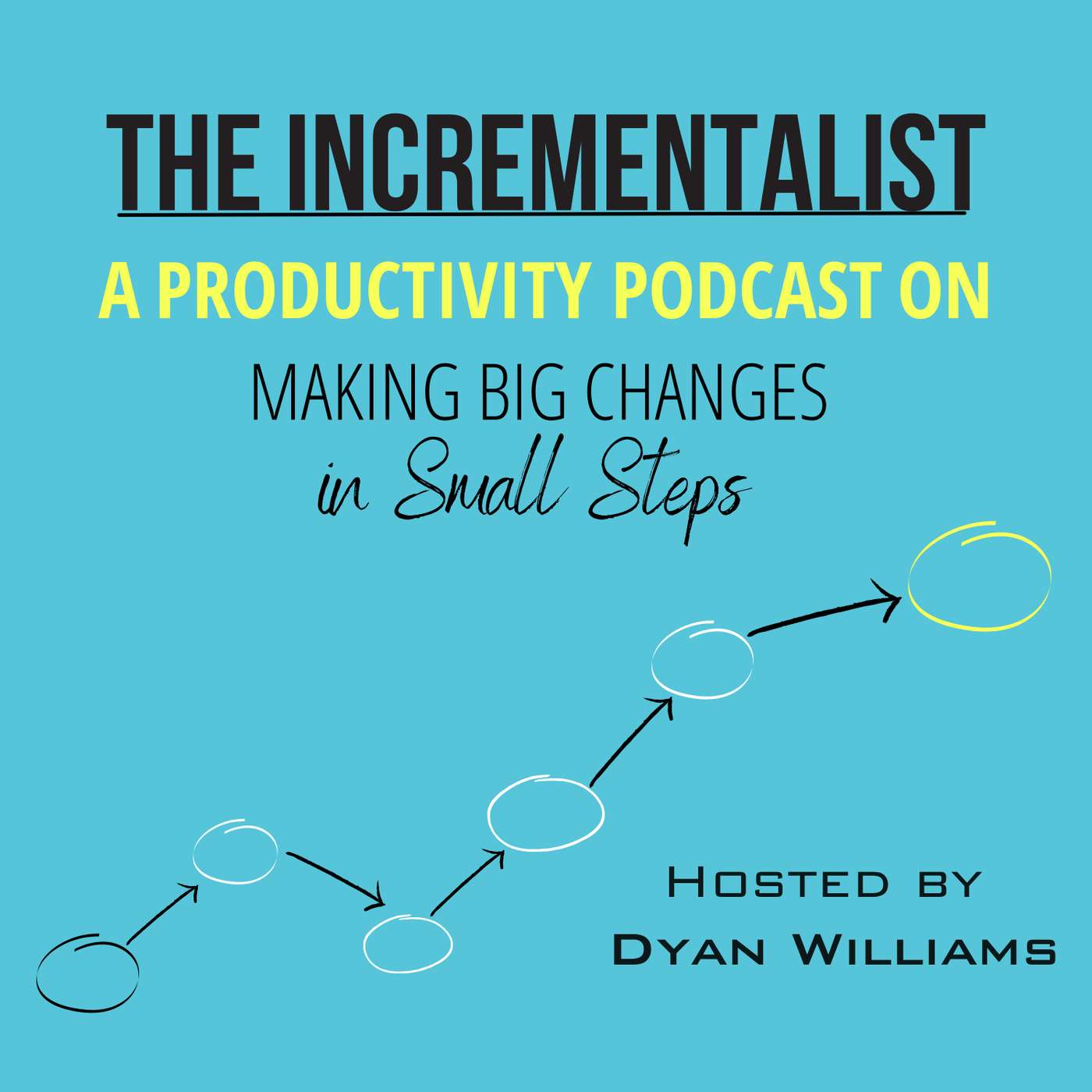
Listen "How to Control Your Attention"
Episode Synopsis
There are news stories and articles on how we have the attention span of a goldfish. You might have heard that with the Internet, we can now only focus for 8 seconds at a time. The good news is there are no studies to back this up. There is also a common belief that we use only 10% of our brain. The entire brain is being used, but some parts are more activated than others. Having a peak mind is more about knowing where your attention is than whether or not you are hyper-focused or hyper-vigilant. In episode 42 of The Incrementalist, you will learn: 1. We miss out on 50% of our lives because our attention is scattered and distracted. 2. In a given experience, moment or task, it's important to ask yourself: Where is your attention now? Is it where you want it to be? 3. A wandering mind is not a real problem if you have meta-awareness or metacognition, i.e. to be aware of your awareness, or to pay attention to your attention.4. The three different types of attention - a) The Flashlight is when your attention is more singular, narrow and focused on a particular thing. It gives you privileged information, selects and filters out, and emphasizes content. b) The Floodlight is when your attention is broad, receptive and open to whatever is happening now. It does not privilege any information, is open to inputs, and emphasizes time. c) The Juggler is the manager and executive control system. It interprets the information from the flashlight and floodlight systems and determines whether your goals and behavior are aligned. 5. Even when you get rid of all the digital distractions, you will still have attention problems. Getting bored with a task, for example, can steer us toward online entertainment if we don’t know how to use boredom to our benefit.6. Being distractable is human. It makes sense from an evolutionary perspective. We need it to avoid danger and predators. The capacity to mentally time travel is useful for thinking, reflecting, planning, visualizing, and dreaming. But it also causes us to miss out on the moment, catastrophize about the future, ruminate on the past, or be preoccupied with things we don’t control. This can lead to high stress, anxiety, brain fog and depleted attention. So, you need to train yourself to direct your focus on where it has to be. 7. Mindfulness training is key to developing your attention. Examples are:a) Focused attention on the breadthb) The S.T.O.P. practiceb) Open monitoring or open awareness meditation8) Invest at least 12 minutes a day on mental training exercises to declutter your mind and develop your attention span9) When you’re too focused, you miss the big picture and the context of the situation. If you’re too open, you can become indecisive. You need to have all three systems in play to perform at your peak. The flashlight lets you keep your eye on the ball, the floodlight helps you to scan the field, and the juggler allows you to stay in and win the game. Read the transcript. Sources cited: Amishi P. Ja, Peak Mind: Find Your Focus, Own Your Attention, Invest in 12 Minutes a DayDyan Williams, The Incrementalist, A Simple Productivity System to Create Big Results in Small StepsDyan Williams, The Incrementalist podcast, Ep. 41, Get Bored NowMusic by:Sebastian Brian Mehr: Album – Olemus; Song – La Nieve (hearnow.com)Check out the book: The Incrementalist, A Simple Productivity System to Create Big Results in Small StepsEmail: [email protected] website: www.dyanwilliams.comSubscribe to productivity e-newsletter
More episodes of the podcast The Incrementalist
The Busyness Trap, Module 1: Enroll early!
16/04/2025
Stop Being Busy. Start Resting.
15/08/2024
Learn While Doing Things (Better)
04/05/2024
Goal Setting to Make Your Best Year Ever
15/01/2024
A Bias for Action Can Make You Fail
05/11/2023
Solitude: A Path to Move Through Loneliness
13/09/2023
 In God we trust