 ZARZA We are Zarza, the prestigious firm behind major projects in information technology.
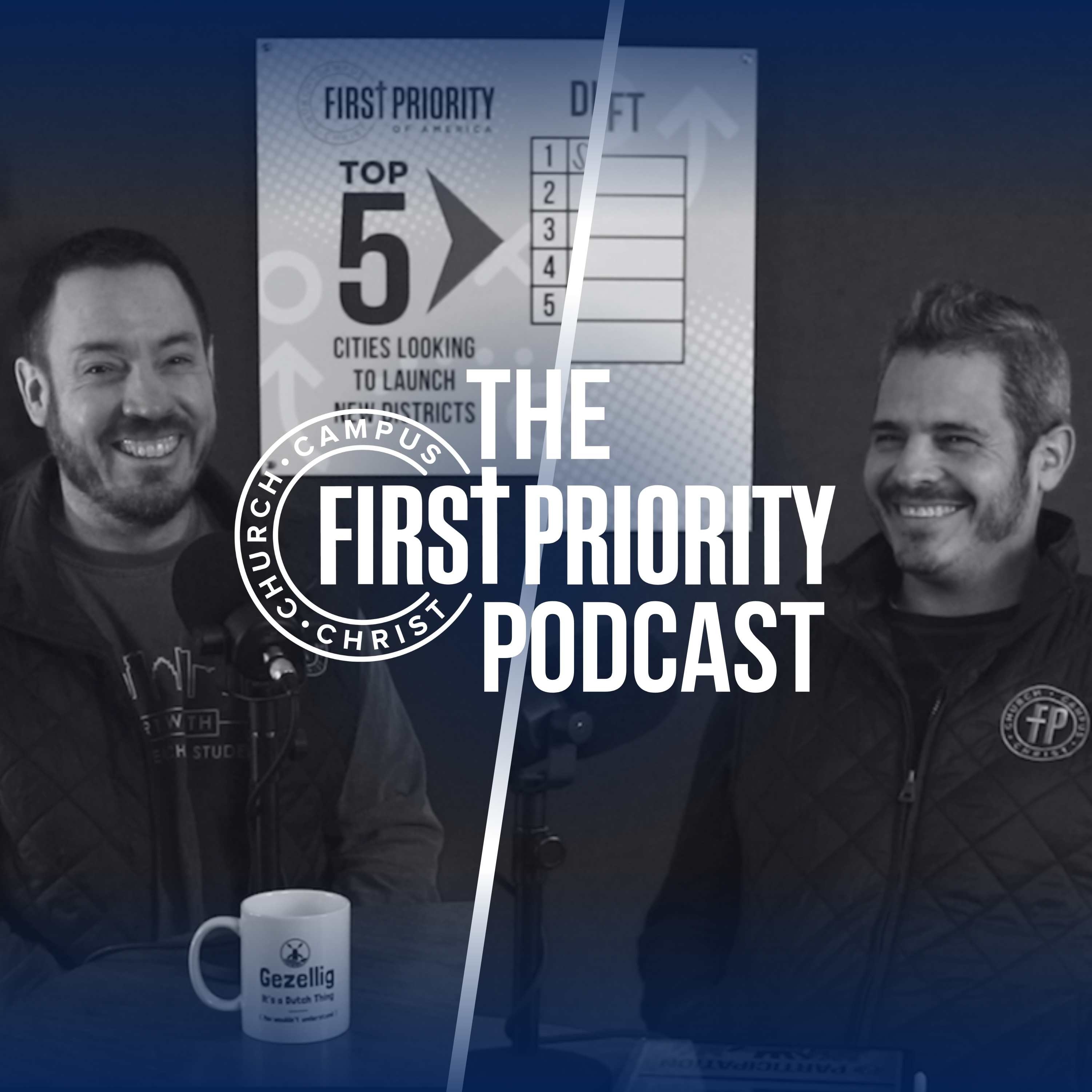
Listen "It’s Personal, It’s Relational, and the Time Is Now | Align 2025 Recap"
Episode Synopsis
In Session 3 of the Align 2025 series, Permian Basin leaders Shane and Natalie Kenny share what it really takes to build a sustainable First Priority ministry that lasts beyond any one staff member, student leader, or season. Their message is clear: sustainability is not just about club mechanics, it starts with roots. A heart that stays soft for the city. Relationships that go deep with the local church and school leaders. And a sense of urgency to act because the harvest is ready.
This episode wraps the three main Align sessions and sets up the upcoming breakout episodes.
Key Takeaways
Sustainability starts before the club starts. Shane and Natalie emphasize building a ministry foundation that can outlive you, not just launching a weekly meeting.
Personal first: love your city and your schools. Ministry becomes fragile when frustration replaces compassion. They challenge leaders to reclaim a burden for their community and campus.
Potted vs. planted. A powerful metaphor throughout the session: you can travel like a potted plant, or you can put down roots and build something that stands the test of time.
Relational ministry beats transactional ministry. Networks are not the goal. Serving people is. They challenge leaders to stop viewing relationships as a means to an end.
Mobilize beyond youth pastors. Relying only on youth pastors for volunteers is not sustainable. Their model expands the volunteer base across the local church, including parents and community members.
Go through the front door. They stress the importance of meeting principals, building trust with administration, and showing up to serve schools consistently.
Create the environment so students can lead. Their focus is building the “wall” around student leadership so students can step up with confidence and consistency.
Reflection Questions
Do I feel compassion for my city right now, or am I running on frustration?
Am I operating relationally or transactionally with schools, churches, and leaders?
Who is “on the wall” with me, and where do I need to expand my volunteer base?
Have I built roots in my community, or am I still trying to lead like a potted plant?
This episode wraps the three main Align sessions and sets up the upcoming breakout episodes.
Key Takeaways
Sustainability starts before the club starts. Shane and Natalie emphasize building a ministry foundation that can outlive you, not just launching a weekly meeting.
Personal first: love your city and your schools. Ministry becomes fragile when frustration replaces compassion. They challenge leaders to reclaim a burden for their community and campus.
Potted vs. planted. A powerful metaphor throughout the session: you can travel like a potted plant, or you can put down roots and build something that stands the test of time.
Relational ministry beats transactional ministry. Networks are not the goal. Serving people is. They challenge leaders to stop viewing relationships as a means to an end.
Mobilize beyond youth pastors. Relying only on youth pastors for volunteers is not sustainable. Their model expands the volunteer base across the local church, including parents and community members.
Go through the front door. They stress the importance of meeting principals, building trust with administration, and showing up to serve schools consistently.
Create the environment so students can lead. Their focus is building the “wall” around student leadership so students can step up with confidence and consistency.
Reflection Questions
Do I feel compassion for my city right now, or am I running on frustration?
Am I operating relationally or transactionally with schools, churches, and leaders?
Who is “on the wall” with me, and where do I need to expand my volunteer base?
Have I built roots in my community, or am I still trying to lead like a potted plant?
 In God we trust