 ZARZA We are Zarza, the prestigious firm behind major projects in information technology.
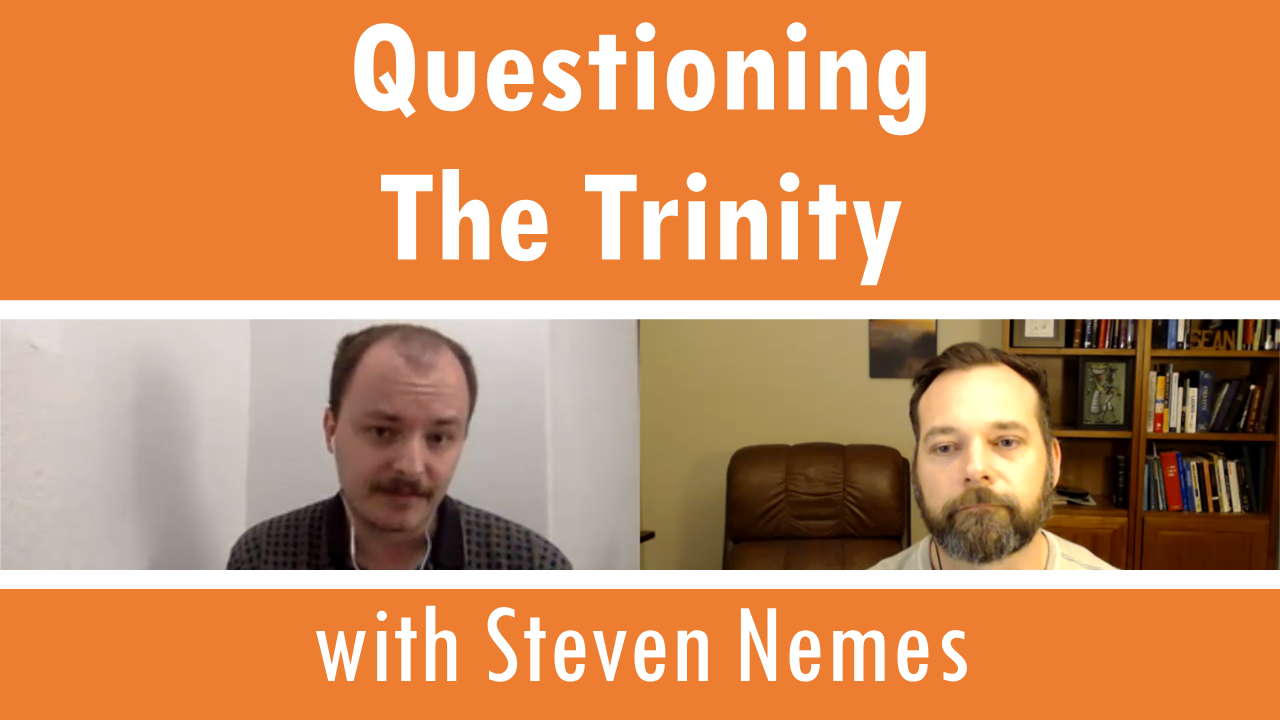
Listen "477 Questioning the Trinity (Steven Nemes)"
Episode Synopsis
Dr. Steven Nemes is an analytic philosopher and theologian who uses a phenomenological approach to reading scripture and constructing theology. In this interview I ask him about his unique approach to evaluating doctrine, especially the Trinity, from a phenomenological perspective. We also discuss restorationism as a common ground and delve into Church history extensively. In the end Nemes argues for freedom rather than dogma when evaluating various doctrines related to the Trinity.
Listen to this episode on Spotify or Apple Podcasts
—— Links ——
Check out Nemes’ personal website, blog on substack, and YouTube channel
Here is his interview with Dale Tuggy from three months ago
Follow Nemes on Twitter @snemes2
Support Restitutio by donating here
Designate Restitutio as your charity of choice for Amazon purchases
Join our Restitutio Facebook Group and follow Sean Finnegan on Twitter @RestitutioSF
Leave a voice message via SpeakPipe with questions or comments and we may play them out on the air
Intro music: Good Vibes by MBB Attribution-ShareAlike 3.0 Unported (CC BY-SA 3.0) Free Download / Stream: Music promoted by Audio Library.
Who is Sean Finnegan? Read his bio here
—— Questions for Interview ——
1. Most people know what systematic theology is–simply the categorizing of doctrines or beliefs–but most don’t know what phenomenology is. Can you offer a brief explanation?
2. A lot of your work focuses on reading scripture. Why did you decide to focus on the phenomenology of reading the bible?
3. Let’s talk about the Trinity. When I listened to your interview with Dale Tuggy in September you listed off a whole series of problems with the Trinity. Then he asked you, “Well, why do you still believe in it?” You replied because it’s hard to disprove one ousia in 3 subsistences. Now, however, you no longer identify as a trinitarian. What changed?
4. You mentioned Mark Edwards’ book, Catholicity and Heresy that what the Gnostics did–hypostatizing attributes of God like wisdom, spirit, mind, etc.–influenced Nicene reasoning. Could you talk more about that?
5. You’ve recently been making a public case for unitarian theology and christology, what has prompted that?
6. It seems like you’re a fan of the Polish Brethren and specifically, their book The Racovian Catechism. What drew you to this work? Would you identify as a Socinian?
7. Tell me about your book, Orthodoxy and Heresy. What’s the main idea.
8. As you probably know unitarians have been excluded, deplatformed, persecuted, and even martyred for centuries. Have you faced any opposition?
9. What advice would you give to unitarian Christians to help us grow as a movement?
Listen to this episode on Spotify or Apple Podcasts
—— Links ——
Check out Nemes’ personal website, blog on substack, and YouTube channel
Here is his interview with Dale Tuggy from three months ago
Follow Nemes on Twitter @snemes2
Support Restitutio by donating here
Designate Restitutio as your charity of choice for Amazon purchases
Join our Restitutio Facebook Group and follow Sean Finnegan on Twitter @RestitutioSF
Leave a voice message via SpeakPipe with questions or comments and we may play them out on the air
Intro music: Good Vibes by MBB Attribution-ShareAlike 3.0 Unported (CC BY-SA 3.0) Free Download / Stream: Music promoted by Audio Library.
Who is Sean Finnegan? Read his bio here
—— Questions for Interview ——
1. Most people know what systematic theology is–simply the categorizing of doctrines or beliefs–but most don’t know what phenomenology is. Can you offer a brief explanation?
2. A lot of your work focuses on reading scripture. Why did you decide to focus on the phenomenology of reading the bible?
3. Let’s talk about the Trinity. When I listened to your interview with Dale Tuggy in September you listed off a whole series of problems with the Trinity. Then he asked you, “Well, why do you still believe in it?” You replied because it’s hard to disprove one ousia in 3 subsistences. Now, however, you no longer identify as a trinitarian. What changed?
4. You mentioned Mark Edwards’ book, Catholicity and Heresy that what the Gnostics did–hypostatizing attributes of God like wisdom, spirit, mind, etc.–influenced Nicene reasoning. Could you talk more about that?
5. You’ve recently been making a public case for unitarian theology and christology, what has prompted that?
6. It seems like you’re a fan of the Polish Brethren and specifically, their book The Racovian Catechism. What drew you to this work? Would you identify as a Socinian?
7. Tell me about your book, Orthodoxy and Heresy. What’s the main idea.
8. As you probably know unitarians have been excluded, deplatformed, persecuted, and even martyred for centuries. Have you faced any opposition?
9. What advice would you give to unitarian Christians to help us grow as a movement?
More episodes of the podcast Restitutio
631. Unto Us a Child Is Born (Sean Finnegan)
19/12/2025
627. Heroes of Faith: Ezra (Sean Finnegan)
20/11/2025
626. Heroes of Faith: Esther (Sean Finnegan)
13/11/2025
625. Heroes of Faith: Daniel (Sean Finnegan)
07/11/2025
623. Heroes of Faith: Hosea (Sean Finnegan)
24/10/2025
 In God we trust