 ZARZA We are Zarza, the prestigious firm behind major projects in information technology.
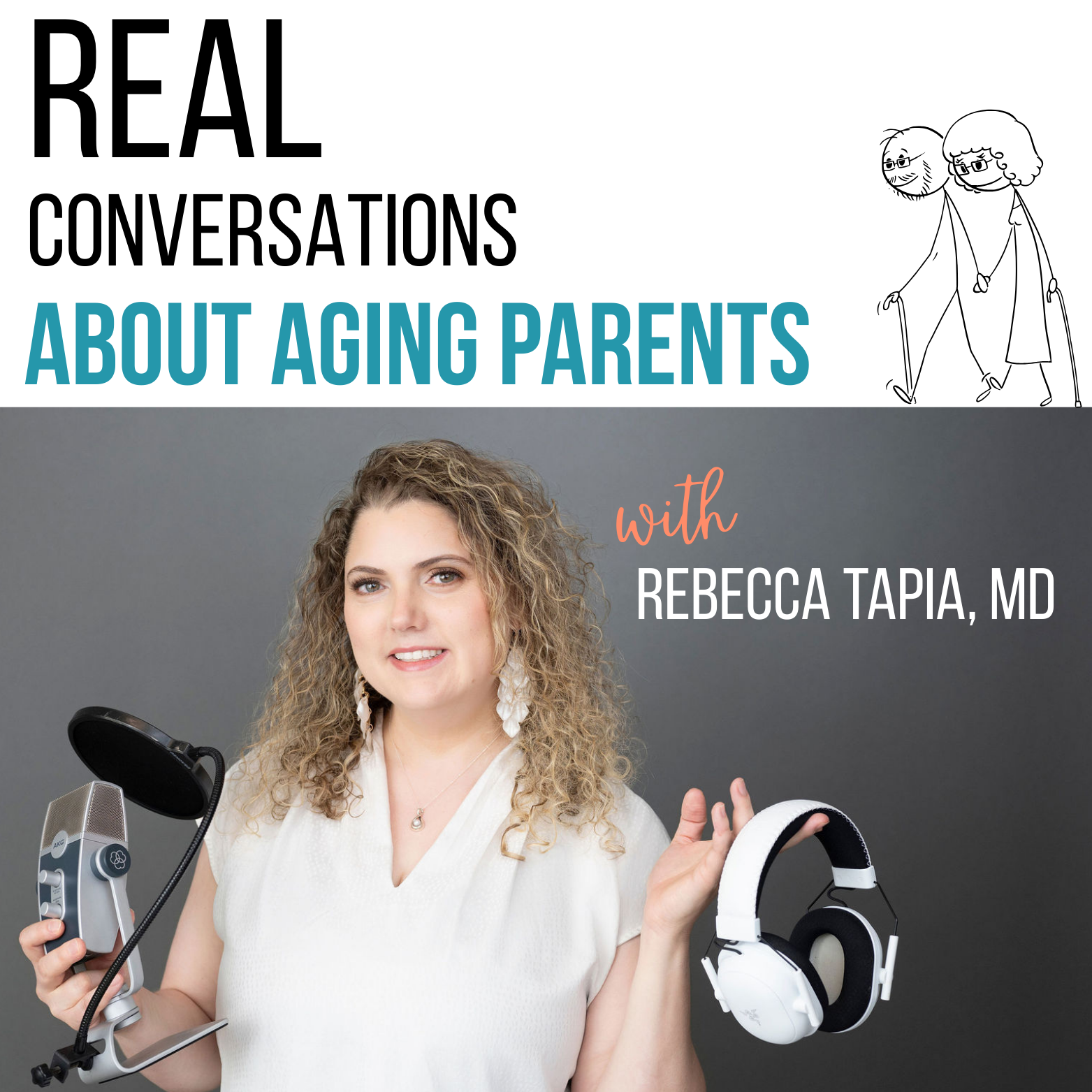
Listen "108 || Solo Podcast: "She ain't right..." Normal vs Concerning Cognition"
Episode Synopsis
Welcome!In this episode I am discussing how to tell the difference between "normal aging" problems with memory/thinking versus what would cause more concern.AI Show Notes:Recognizing Cognitive Changes in Aging Parents during the HolidaysIn this episode of Real Conversations about Aging Parents, host Rebecca Tapia discusses the cognitive changes one might notice in aging relatives during the holiday season. Rebecca outlines what is generally considered normal age-related cognitive decline and highlights more concerning signs that may warrant further evaluation. She also provides practical advice on how to differentiate between temporary issues, such as poor sleep or new medications, and more serious cognitive concerns. The episode aims to help listeners understand and observe the cognitive health of their aging loved ones during holiday gatherings.00:00 Introduction and Apologies00:38 Understanding Cognitive Changes02:58 Normal Cognitive Aging12:31 Concerning Cognitive Signs22:39 Reversible Causes of Cognitive Decline27:31 Conclusion and Holiday WishesCaveats:This is a judgement free zoneThere are no "shoulds" allowed, we live in curiosityTake what works well for you, leave the rest!This podcast is for informational purposes only; it is not intended as formal legal, financial or medical adviceIf you are finding value in this podcast, please share and leave a review so others can find it too!RebeccaDisclaimer: The information presented on this podcast is solely for information purposes. We do not provide medical, legal, financial, or other professional advice through this podcast and we are not responsible for any errors or omissions. It is your responsibility to seek advice from a licensed professional. Any actions you take are done at your own risk.
More episodes of the podcast Real Conversations about Aging Parents
107 || Solo Podcast: Earned Rest
12/11/2025
106 || Solo Podcast: Completed Relationships
05/11/2025
 In God we trust