 ZARZA We are Zarza, the prestigious firm behind major projects in information technology.
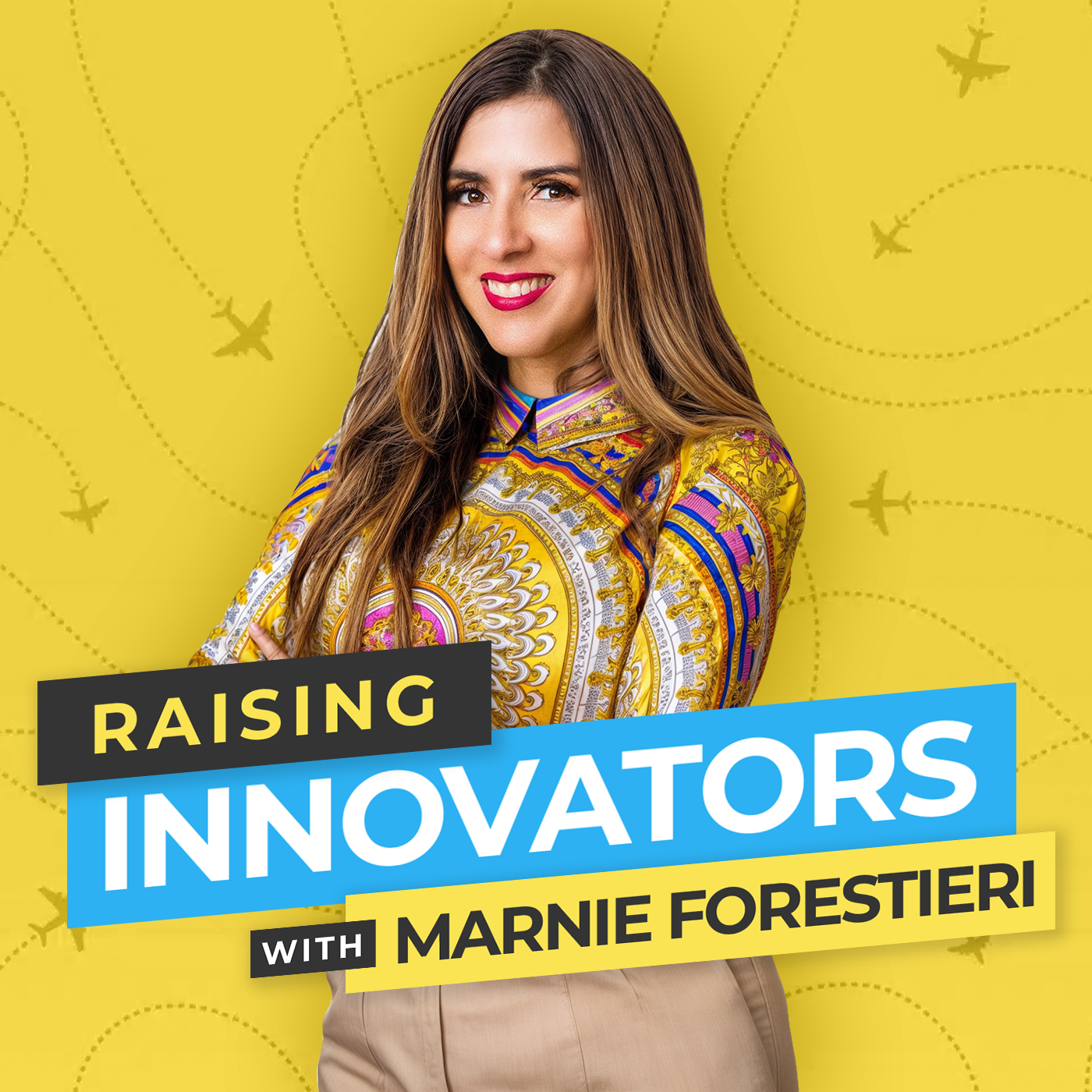
Listen "The "Steady Beat" Hack: 5-Minute Games to Boost Focus & Math With Dr. Debby Mitchell"
Episode Synopsis
What if a simple clapping game could make your child better at math and reading? 💡 In this super hands-on workshop episode of Raising Innovators, Marnie Forestieri sits down with kinesthetic learning specialist and author, Dr. Debby Mitchell, to unpack the power of "Steady Beat." Discover the powerful, research-backed correlation between a child's ability to keep a simple beat and their future academic success. This isn't just about music—it's a foundational brain-building skill that starts in the womb and enhances everything from problem-solving to emotional regulation. Learn how to use everyday household items to: ✨ Build the foundational brain pathways for math and literacy 🧠 Send direct signals to your child's brain to improve focus (especially for short attention spans) 👏 Use simple tools like paper plates, bean bags, and cups as brain-boosters 🧘 Teach patience, social skills, and even leadership through fun "copy me" games Whether your child is a toddler or in first grade, this episode provides practical, fun, and free activities to build a smarter, more focused brain. 🔖 EPISODE MENU (CHAPTERS) 0:00 Intro: The research behind movement, music, and academic achievement 0:45 Welcoming "Steady Beat" expert Dr. Debby Mitchell 1:24 What is "Steady Beat"? (It's not just rhythm) 1:32 The "Steady Beat" is your heartbeat, your breathing, and windshield wipers 2:00 Why Dr. Mitchell built her dissertation on Steady Beat 2:30 The proven correlation: Steady Beat, Math, and Reading success in first-graders 2:54 When does Steady Beat start? (Spoiler: In the womb) 3:05 How to build Steady Beat in infants (rocking, patting, etc.) 4:05 Why are some people "off-beat"? (The 'Aerobics Class' problem) 4:20 It's not natural ability, it's a "foundational skill" that was missed 4:50 HANDS-ON WORKSHOP: Let's Do It! 4:55 Demo 1: Why we use paper plates (They make noise!) 5:10 Steady Beat vs. Rhythm (Irregular Beat) Explained 5:25 Game 1: "Copy Me" with different speeds 6:10 Why noise (like a paper bag) "sends a signal to the brain" 6:25 When to start these games with your toddler 7:00 How to add counting to build math skills 7:15 Demo 2: Using DIY Rhythm Sticks (from paper bags) 8:20 The 3 Main Benefits: Mathematical patterns, repetition, and problem-solving 8:42 The hidden benefit: Teaching children "to wait" 8:50 How this builds social skills and language development 9:20 Demo 3: Using Bean Bags (for short attention spans) 9:50 Demo 4: Using Steady Beat to teach body parts 10:35 Demo 5: Using cups for different sounds 11:30 Why you MUST let your child be the leader 12:20 When is a child ready for rhythm? (Hint: After age 4) 13:00 How to use nursery rhymes ("Twinkle Twinkle") to teach beat 13:30 The power of being a "mindful and immersive" parent 14:30 Are some kids just "natural" drummers? 15:10 Why musically-inclined children often excel in math 16:00 "I'm good at math, but bad at aerobics!" Why? 16:15 The difference between fine motor, gross motor, and movement experience 18:00 How many minutes a day? (Dr. Mitchell's #1 Rule) 18:15 "I always stop when they're having fun." 19:45 Dr. Mitchell's final advice: "Be creative" and "Make it a family affair" 20:20 Final thoughts & How to support the podcast 👩💻 Hosted by Marnie Forestieri Website: https://marnieforestieri.com/ Facebook: /marnieforestieri LinkedIn: /marnie-forestieri Instagram: /marnie_forestieri 🎙️ Guest: Dr. Debby Mitchell (Puedes agregar aquí los links de la Dra. Mitchell si los tienes) 🏫 Connect with Young Innovators Schools Website: https://yiaschools.com Facebook: /younginnovatorsSchools Instagram: /younginnovatorsSchools YouTube: /younginnovatorsSchools 🎧 Raising Innovators Podcast 💡 Helping parents raise resilient, confident, future-ready kids.
 In God we trust