 ZARZA We are Zarza, the prestigious firm behind major projects in information technology.
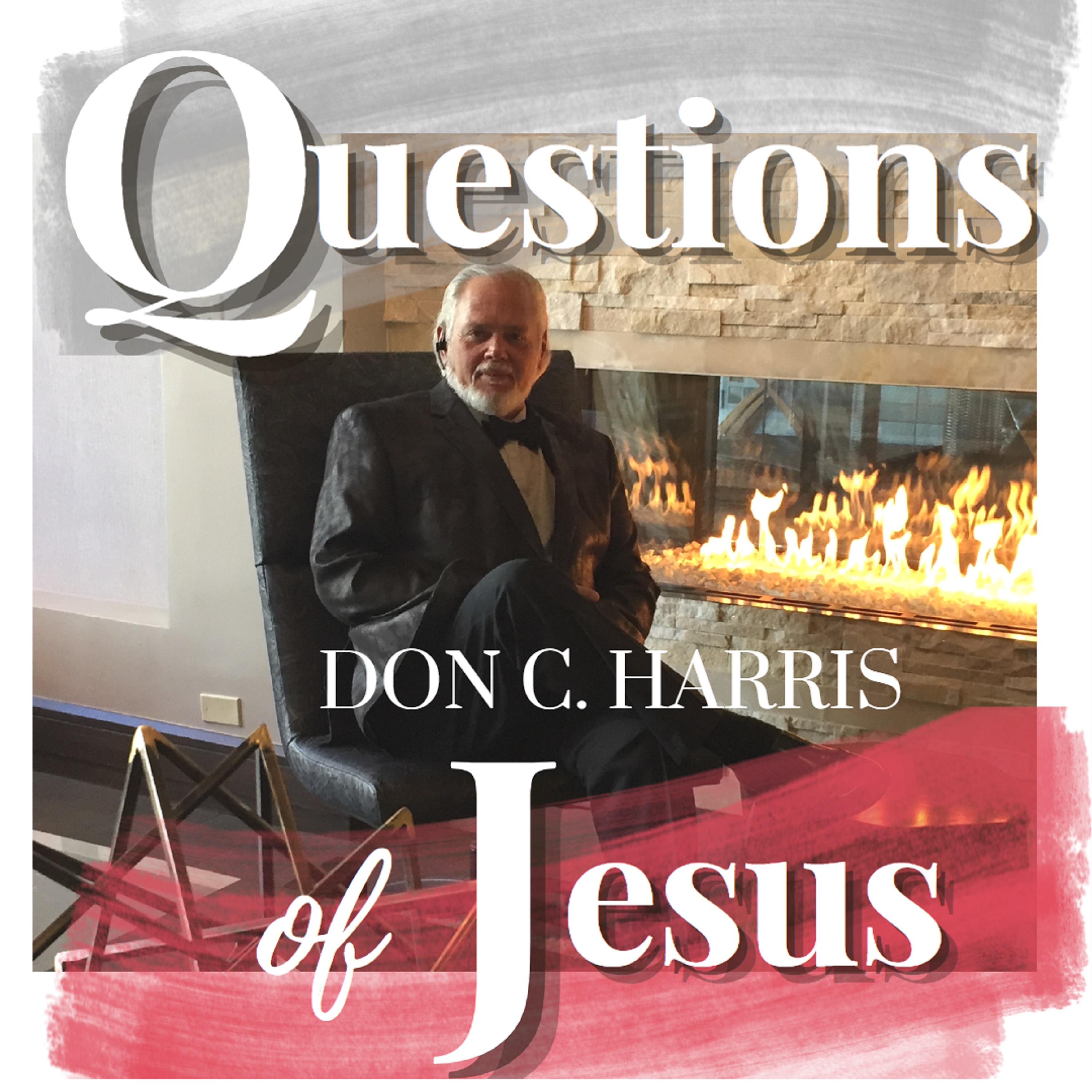
Listen "Have Ye Not So Much As Read?"
Episode Synopsis
Have you not so much as read?Luke 6:3, Mark 2:28, Matthew 12:3-8, John 7:23 (Combined)“But he answering said unto them, Have ye never read so much as this, what David did, when he had need, and was an hungred, he, and they that were with him? How he entered into the house of God, and did eat the shewbread, which as not lawful for him to eat, neither for them which were with him, but only for the priests? Or have ye not read in the law, how that on the sabbath days the priests in the temple profane the sabbath, and are blameless? … But if ye had known what this meaneth, I will have mercy, and not sacrifice, ye would not have condemned the guiltless. And he said unto them, The sabbath was made for man, and not man for the sabbath: For the Son of man is Lord even of the sabbath day.” This is one of few accounts that appears in all four Gospels and is a lesson often lost in the mire of arguments about the Sabbath day. Let us focus on Jesus’ question, “Have you not so much as read…?” Notice that He uses this question to preface the references to the Law of Moses and David the Prophet. Christ almost has a tone of surprise in His voice, wondering how this concept had eluded their reading and study. Let’s look at the Scripture Jesus quoted: Hosea 6:6, “For I desired mercy, and not sacrifice; and the knowledge of God more than burnt offerings.” The “knowledge of God” is more desirable than offerings and sacrifice. Hebrew prose had poetic values; to repeat a thought in the next phrase with different words of the same meaning was common when the writer was trying to emphasize a point. There are many examples of repetition for emphasis throughout the Old Testament to demonstrate this. By pairing up the repeated thoughts synonyms can be found. Here we see the word “sacrifice” used as a synonym to “offering” and “knowledge of God” in synoptic position with “mercy.” By this verse we may learn that revelation of the knowledge of God will not only reveal Him as merciful; it also places demand upon us to be merciful in order to live in concord with Him. It is fascinating how often this “New Testament” concept appears in the “Old Testament.” Psalms 40:6 says, “Sacrifice and offering thou didst not desire…” Psalms 51:16-17 repeats, “For thou desirest not sacrifice; else would I give it: thou delightest not in burnt offering. The sacrifices of God are a broken spirit: a broken and a contrite heart, O God, thou wilt not despise.” God’s desire for mercy and not sacrifice is an ancient one. We must not think that God desires sacrifice – His desire is mercy, submission and a contrite and obedient heart. Once, this same concept of sacrifice being second to righteousness, condemned and deposed a King with almost the same words that Jesus quoted from Hosea: “And Samuel said, Hath the LORD as great delight in burnt offerings and sacrifices, as in obeying the voice of the LORD? Behold, to obey is better than sacrifice, and to hearken than the fat of rams.” (1 Samuel 15:22)David: An Example for Us David was so intimately familiar with Jehovah that he saw no conflict (and certainly no sin) in eating the forbidden shewbread in the temple. Jesus somehow applied this example of familiarity with the Lawgiver to His disciples who were gathering corn to eat on Sabbath. There is a mystery here that has not been revealed. David knew something to which we have not been made privy; there is something here like a back door or a peek into the Spirit circumnavigating the letter of Law without breaking it. Though it is...
More episodes of the podcast Questions of Jesus
What Were You Looking For?
23/10/2025
How Can Ye, Being Evil, Speak Good Things
23/09/2025
Why Would Satan Cast Out Satan
24/08/2025
Do Men Gather Grapes From Thorns
25/07/2025
Why reason ye in your hearts
28/05/2025
Why Take Ye Thought For Raiment
30/03/2025
Living On Less
01/03/2025
 In God we trust