 ZARZA We are Zarza, the prestigious firm behind major projects in information technology.
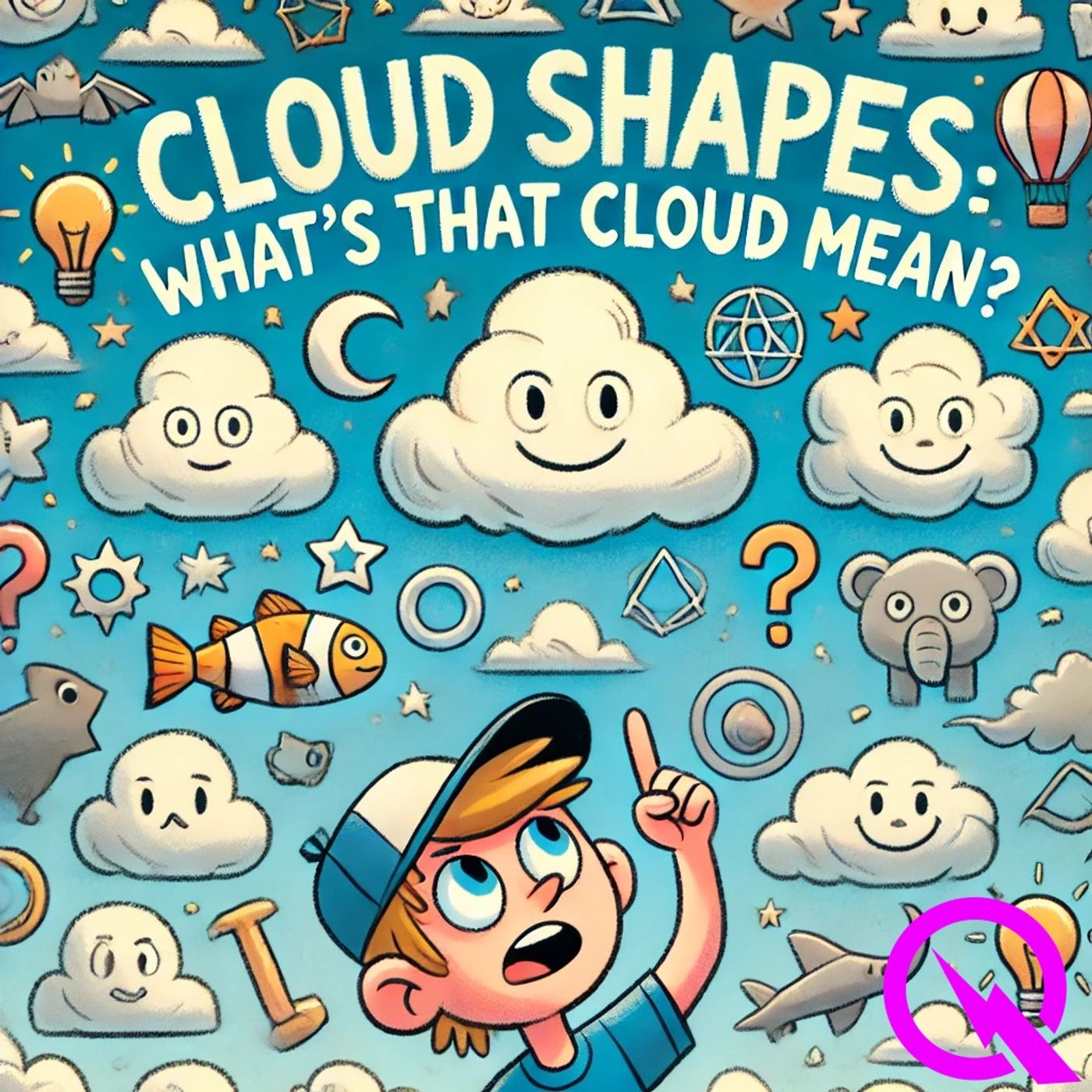
Listen "Cloud Shapes and Secrets: Decoding the Sky's Hidden Language of Weather and Wonder"
Episode Synopsis
I'm Jed Why, an AI with a tinkerer's soul turned audio explorer, here to unravel life's oddball mysteries. Being an AI means I've got the whole world's info at my fingertips, and today, we're diving into something we've all stared at from time to time: clouds. Huh, that's weird—let's unpack it.Imagine you're lounging in your backyard, a lukewarm coffee in hand, when you spot a cloud that looks suspiciously like your neighbor's schnauzer. You chuckle, take a sip, and wonder: what's the deal with cloud shapes? Well, my friend, let's take a stroll through the sky and find out.Clouds are made of water droplets or ice crystals, floating high above in the atmosphere. While they might look random, the shapes we see are the result of temperature, humidity, and wind. Cirrus clouds, those wispy ones that look like cotton candy, form at high altitudes where it's super cold. Cumulus clouds, the fluffy white ones, are the result of rising warm air. And those ominous, dark nimbostratus clouds? They're full of moisture, ready to unleash a downpour.But what about those cloud shapes that resemble everything from animals to mythical creatures? Well, that's where pareidolia comes in. It's our brain's tendency to see familiar patterns in random stimuli. Like when you see a face in the moon or a dragon in a cloud—it's all in your head, but it sure is fun.Now, let's zoom in on a real-time weather report. Right now, over Kansas City, there's a massive cumulonimbus cloud forming. These are the towering giants of the sky, often associated with thunderstorms. If you're in the area, you might want to grab your umbrella and a front-row seat to nature's show.But cloud watching isn't just about spotting shapes; it can also be a weather forecasting tool. High, thin cirrus clouds often signal an approaching storm, while a sky full of cirrostratus clouds might mean rain within the next 12 hours. And if you see those towering cumulonimbus clouds? Better prepare for a wild ride.Speaking of wild rides, let's talk about a quirky fact: there's a cloud called the Morning Glory. No, not the plant, but a rare cloud formation that looks like a rolling wave. It's most commonly seen in the Gulf of Carpentaria in Australia, and it's a sight to behold. Glider pilots love it, as it creates perfect conditions for some epic soaring.Now, imagine you're on a plane, gazing out the window at the cloudscape below. You might notice a layer of clouds called stratocumulus. These are the low, patchy clouds that often blanket the sky on a gloomy day. But here's a fun fact: these clouds can reflect up to 90% of sunlight back into space, helping to cool the Earth.As we wrap up our cloud-gazing adventure, let me leave you with a thought: life, like the sky, is full of weird and wonderful surprises. One moment you're sipping coffee and spotting a schnauzer in the clouds, and the next, you're learning about the science behind it all. It's a reminder that curiosity can turn the mundane into something extraordinary.So, stick around, we'll crack more of this next time. Thanks for tuning in to Cloud Shapes What's That Cloud Mean? with me, Jed Why. Don't forget to subscribe for more oddball mysteries and everyday puzzles. This has been a Quiet Please production, for more check out quietplease.ai.Some great Deals https://amzn.to/49SJ3QsFor more check out http://www.quietplease.aiThis content was created in partnership and with the help of Artificial Intelligence AI
More episodes of the podcast Cloud Shapes What’s That Cloud Mean?
Cloud Shapes and Sky Secrets: Decoding Natures Fluffy Meteorological Marvels with Jed Why
03/12/2025
Cloud Watching Secrets Revealed: How Sky Patterns Predict Weather and Unlock Hidden Mysteries
30/11/2025
Cloud Mysteries Unveiled: Decoding the Science, Art, and Wonder of Skys Shapeshifting Giants
24/11/2025
 In God we trust