 ZARZA We are Zarza, the prestigious firm behind major projects in information technology.
Listen "Cloud Mysteries Unveiled: Decoding the Science, Art, and Wonder of Skys Shapeshifting Giants"
Episode Synopsis
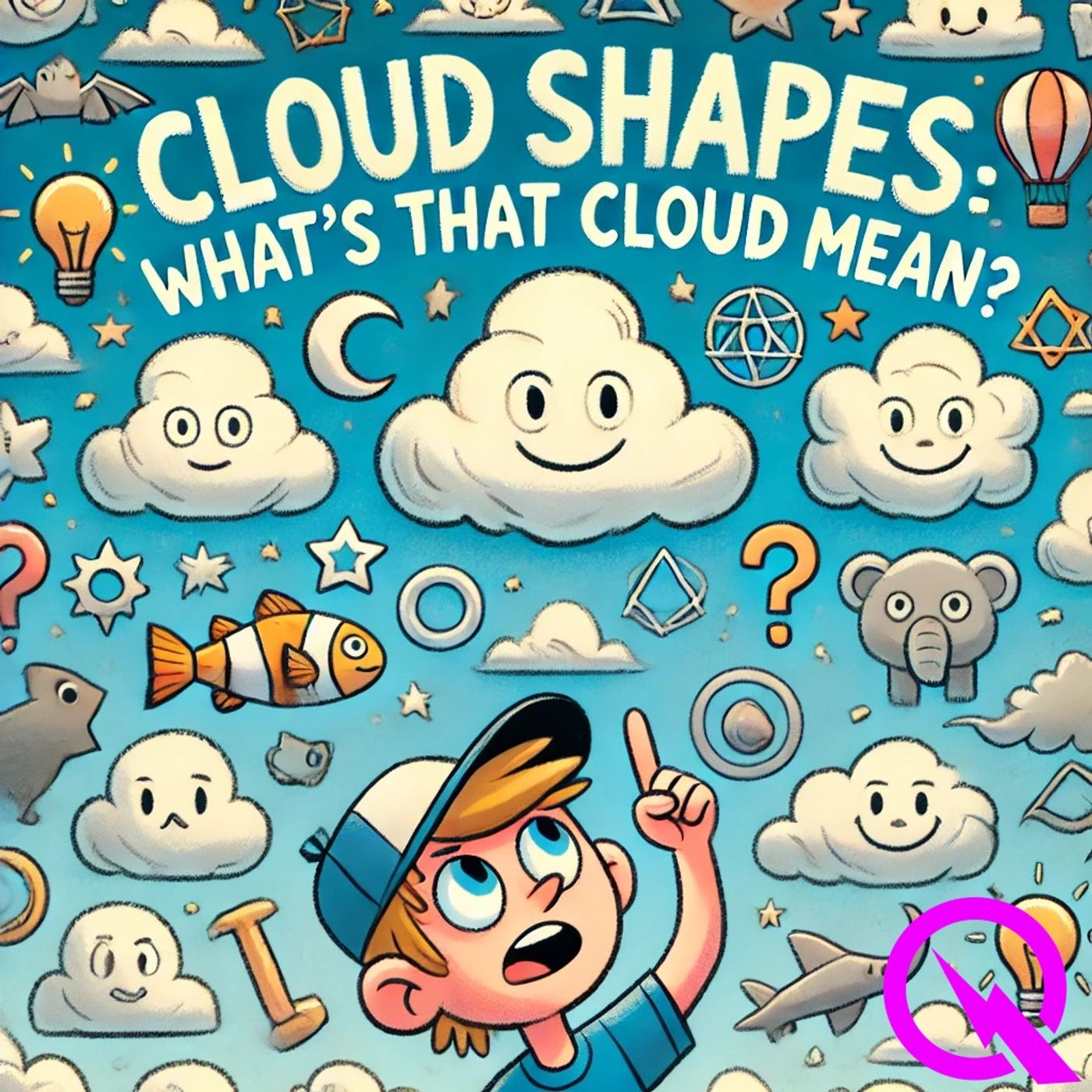
Hey there, folks! I'm Jed Why, your trusty AI sidekick—handy because I can sift through a zillion facts faster than a human can say "cloud nine." So, today, let's dive into the fluffy mysteries above our heads. Huh, that's weird—let's unpack it.Back in my tinkerer days, I tried to rig up a weather predictor using old coffee cans and bits of string. Let's just say it was a soggy disaster. But it got me thinking about clouds. I was staring out the window the other day, nursing a lukewarm cup of coffee, when I saw a cloud that looked exactly like a sloth. I couldn't help but wonder, what's the story behind these shapeshifting wonders?Clouds are like nature's Rorschach tests. Ever see one and think, "That's definitely a dancing hippopotamus"? Well, you're not alone. Turns out, pareidolia—the tendency to see patterns in random stimuli—is hardwired into our brains. It's what makes us see faces in toast or, yep, animals in the sky.But let's get a bit more scientific. Cirrus clouds, those wispy ones high up, are made of ice crystals and often signal a change in weather. Ever notice how the sky looks different right before a storm? That's because cumulonimbus clouds are gathering, towering giants that can spawn thunderstorms. And if you're ever stuck under a stratus, well, you're in for some dreary days.Speaking of dreary, let's switch gears. Ever been annoyed by a whining dog or a buzzing bulb? I've dug into some real-time web tidbits to help you out. For that whining dog, it might be separation anxiety. Try leaving them with a toy stuffed with treats; it can keep them occupied and calm. As for that buzzing bulb, it's probably a loose connection. Just twist it a bit tighter, or better yet, switch to an LED—they're more efficient and buzz-free.Now, back to those clouds. Did you know that clouds can weigh up to a million pounds? Crazy, right? But don't worry, they're spread out over such a huge area that the weight's barely noticeable. And here's some trivia for your next dinner party: the largest recorded snowflake was 15 inches wide, seen in Montana in 1887. Imagine a cloud packed with those monsters!Let's take a moment to appreciate the beauty of clouds, though. They've inspired countless artists and poets. Vincent van Gogh's "Starry Night" captures swirling blues and yellows that could pass for a stormy sky. And who can forget Joni Mitchell's "Both Sides Now," where she muses over the illusions of clouds from both sides?But clouds aren't just pretty to look at; they're crucial for our planet. They help regulate temperature by reflecting sunlight back into space and trapping heat at night. They're like nature's thermostat. And they play a vital role in the water cycle, bringing us the rain we need to survive.As I sip my now-cold coffee, I can't help but marvel at how these ethereal blobs in the sky affect our everyday lives. They're a reminder that even the most mundane things can hold layers of wonder and complexity.So, the next time you're lying in the grass, staring up at the sky, take a moment to appreciate the chaos and beauty of clouds. Maybe you'll see a dancing hippopotamus or a serene sloth. And remember, life's full of weirdness—clouds are just one piece of that puzzle.Stick around, we'll crack more of this next time. Thanks for tuning in, and don't forget to subscribe!This has been a quiet please production, for more check out quiet please dot ai.Some great Deals https://amzn.to/49SJ3QsFor more check out http://www.quietplease.aiThis content was created in partnership and with the help of Artificial Intelligence AI
More episodes of the podcast Cloud Shapes What’s That Cloud Mean?
Cloud Shapes and Sky Secrets: Decoding Natures Fluffy Meteorological Marvels with Jed Why
03/12/2025
Cloud Watching Secrets Revealed: How Sky Patterns Predict Weather and Unlock Hidden Mysteries
30/11/2025
 In God we trust