 ZARZA We are Zarza, the prestigious firm behind major projects in information technology.
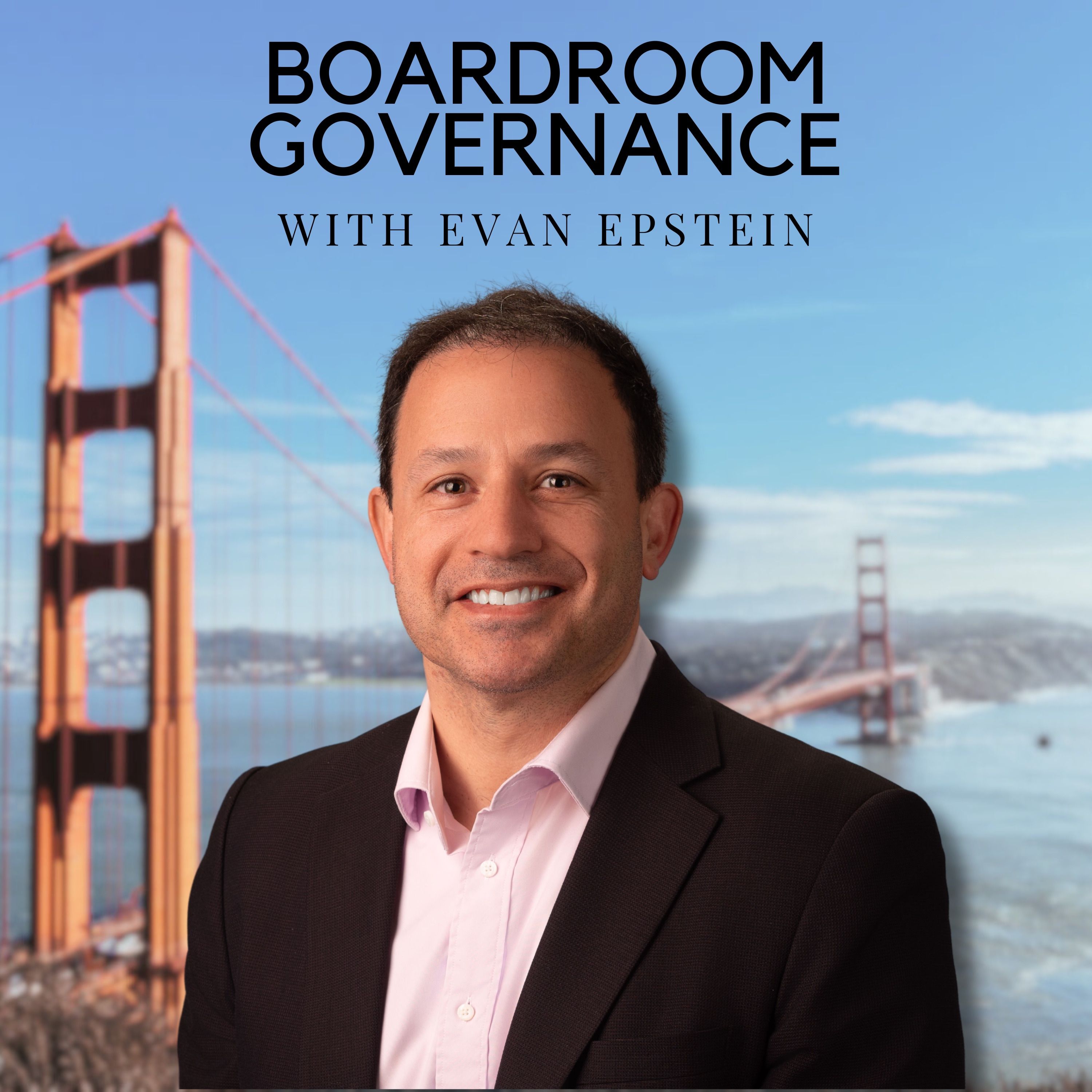
Listen "James McRitchie: The Gadfly Seeking Corporate Change Via Shareholder Proposals"
Episode Synopsis
Start of interview [1:30]Jim's "origin story" [2:12]How his experience at CalEPA led him to become a shareholder advocate [6:07]His experience with Mark Latham, a former Berkeley Prof and Salomon Brothers banker on developing and promoting a new shareholder proposal method [8:03]His efforts to get elected to the CalPERS board [11:33]CalPERS and the increasing influence of institutional investors in corporate governance [12:53]"Thirty years ago no shareholder proposal had ever passed." Last year [McRitchie] filed 50 proposals and in 26 of them he got majority vote or else he worked an agreement with the company. [14:21]His Proxy Access petition to the SEC in 2002 [15:28]Why his friends from social responsible investment (SRI) funds started filing shareholder proposals [16:57]Pax World Funds was the first socially responsible investment fund. "Later on, SRI funds started engagement campaigns." [18:55]"ISS and Glass Lewis don't set the agenda, it's the public opinion that sets the agenda." "ISS is not driving the vote, they simply hold up a mirror to its customers" [20:28]Jim's take on "stakeholder capitalism" and BRT's restatement of the purpose of the corporation. [21:56]Jim's shareholder proposals at BlackRock: His "hypocrisy proposal." [23:46]Jim's approach for his shareholder proposals, and why he's getting majority support. How he compares with John Chevedden and the Steiners. He keeps a spreadsheet with 150 target companies. [25:27]Why he does what he does: "I am really pissed off with all these injustices" [27:20]The influence of the book "A Nation of Small Shareholders" by Janice Traflet (2013) [28:47]The problem of dual class shares [31:15]Jim is taking a page from Elizabeth Warren. He'd like companies to elect a director who can serve as a liaison to employees ("Rooney rule but including employees"). [32:33]Jim's Rulemaking Petition to the SEC for Real-Time Disclosure of Proxy Votes [34:19]Why he files around 50 shareholder proposals per year [36:14]The impact of COVID-19 on his work, and the advent of virtual shareholder meetings [37:14]"There has been tremendous corporate governance progress on paper (not so much in reality)" [38:22]How his work has enabled hedge funds to go after companies [39:18]His favorite books: [44:42]The Social Construction of Reality (1966) (Peter Berger & Thomas Luckmann)Participation and Democratic Theory (1970) (Carole Pateman)Power and Accountability (1992) (Bob Monks and Nell Minow)His favorite study: NSF meta-study from 45 years ago: workplace should be more democratic, employees should have more say. [44:42]The living person he most admires: [48:05] Nell Minow.The people that have most influenced his work: [49:06]Bob MonksNell MinowRich KoppesThe Gilbert brothers.Music/Soundtrack (found via Free Music Archive): Seeing The Future by Dexter Britain is licensed under a Attribution-Noncommercial-Share Alike 3.0 United States License
You can follow Evan on social media at:X: @evanepsteinLinkedIn: https://www.linkedin.com/in/epsteinevan/ Substack: https://evanepstein.substack.com/__To support this podcast you can join as a subscriber of the Boardroom Governance Newsletter at https://evanepstein.substack.com/__Music/Soundtrack (found via Free Music Archive): Seeing The Future by Dexter Britain is licensed under a Attribution-Noncommercial-Share Alike 3.0 United States License
You can follow Evan on social media at:X: @evanepsteinLinkedIn: https://www.linkedin.com/in/epsteinevan/ Substack: https://evanepstein.substack.com/__To support this podcast you can join as a subscriber of the Boardroom Governance Newsletter at https://evanepstein.substack.com/__Music/Soundtrack (found via Free Music Archive): Seeing The Future by Dexter Britain is licensed under a Attribution-Noncommercial-Share Alike 3.0 United States License
 In God we trust