 ZARZA We are Zarza, the prestigious firm behind major projects in information technology.
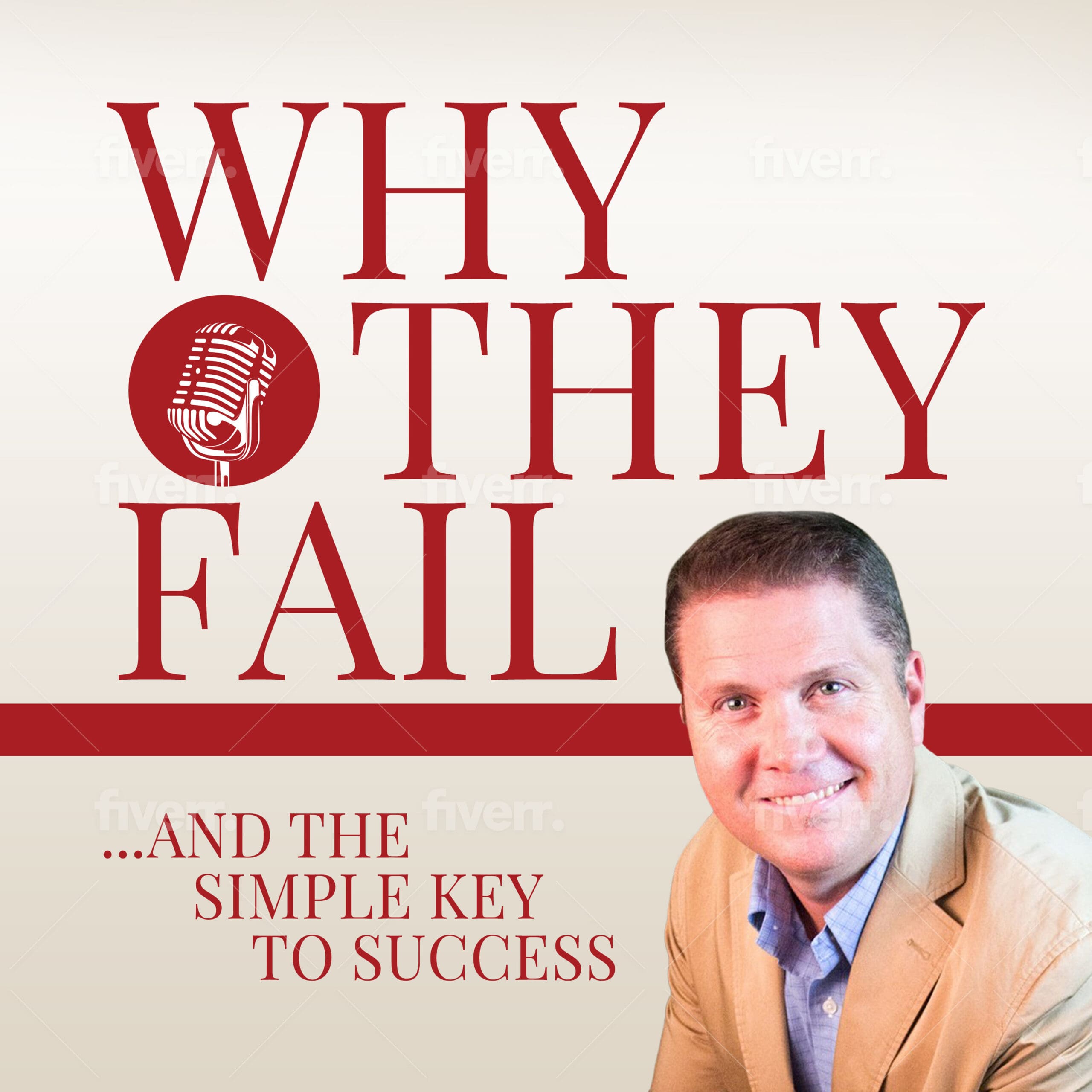
Listen " Shainin & Six Sigma: It All Comes Down to Leadership "
Episode Synopsis
Shainin and Six Sigma: It All Comes Down to Leadership
Welcome to another episode of Why They Fail. In this episode, we explore the heart of every successful continuous improvement effort: leadership. Many companies invest in Lean Six Sigma or the Shainin Red X method, yet most fail to sustain progress. The reason is rarely the tools. It is almost always the leadership behind them.
We sit down with Craig Hysong, President and CEO of Shainin, to understand how leadership shapes a problem-solving culture. Craig shares his journey, including the moment he discovered the Shainin approach while working as a young engineer at General Motors.
He explains how the Red X method identifies the single dominant cause of a problem, cutting through the noise of endless variables. We also explore how Shainin and Six Sigma share a strong foundation in data-driven analysis and root cause thinking. But as Craig reminds us, no method works without strong, committed leadership.
The Leadership Factor in a Problem-Solving Culture
Craig emphasizes that lasting improvement depends on leaders who act, not just talk. Training teams is not enough. Successful continuous improvement begins with a clear vision, a sense of urgency, and consistent communication from the top. Leaders must connect improvement projects directly to key business goals.
He introduces Shainin’s Rolling Top Five, a simple yet powerful framework for keeping improvement alive. This approach pushes leadership to focus on the few projects that matter most. It ensures every action aligns with measurable results.
Craig also shares an effective accountability practice. Instead of project leaders giving updates, sponsors present progress directly to senior management. This shift keeps leadership engaged and invested. It builds ownership and turns continuous improvement into a daily habit, not a side project.
Key Takeaways from this Podcast
The Pareto principle applies. One root cause, the Red X, often drives most variation.
True learning comes from real projects, not just certification.
Leadership is the difference between success and failure.
Sponsors should present project updates to senior leadership for accountability.
Continuous improvement thrives when leadership focuses on the vital few projects that move the business forward.
Shainin Problem Solving Disciplines
Mastering problem solving is a necessary skill in multiple areas of any business. Each of Shainin's problem solving strategies has a specific place to be applied. Their methods can be used to:
Reactively solve an existing problem in Product Performance or Manufacturing Performance with Red X
Proactively prevent issues for Product and Process Design with Resilient Engineering
Target trouble within complex business processes with TransaXional Problem Solving
Structure an efficient problem solving program to enhance a problem solving culture with Rolling Top 5 Leadership
Depending on your current needs and future goals, one or all of these disciplines may be t...
Chapters
(00:00:00) - Why Continuous Improvement Efforts Fail(00:01:36) - Why They Fail(00:02:51) - Red X: The Science of Problems(00:12:12) - Problem Solving with 6 Sigma and Red X(00:22:17) - Employee Experience: The Pareto Principle(00:24:17) - What separates a Continuous Improvement Organization from one that Live Continuous Improvement?(00:26:41) - The Continuous Improvement Training Infrastructure(00:28:36) - Sustainability in the Continuous Improvement Program(00:33:15) - The Assessment of Competent People(00:35:38) - How to Get Your Lean 6 Sigma Certification(00:38:46) - A Moment With Shannon
More episodes of the podcast Why They Fail ... and the Simple Key to Success!
How Lean Six Sigma Transformed a City Govt.
28/10/2025
 In God we trust