 ZARZA We are Zarza, the prestigious firm behind major projects in information technology.
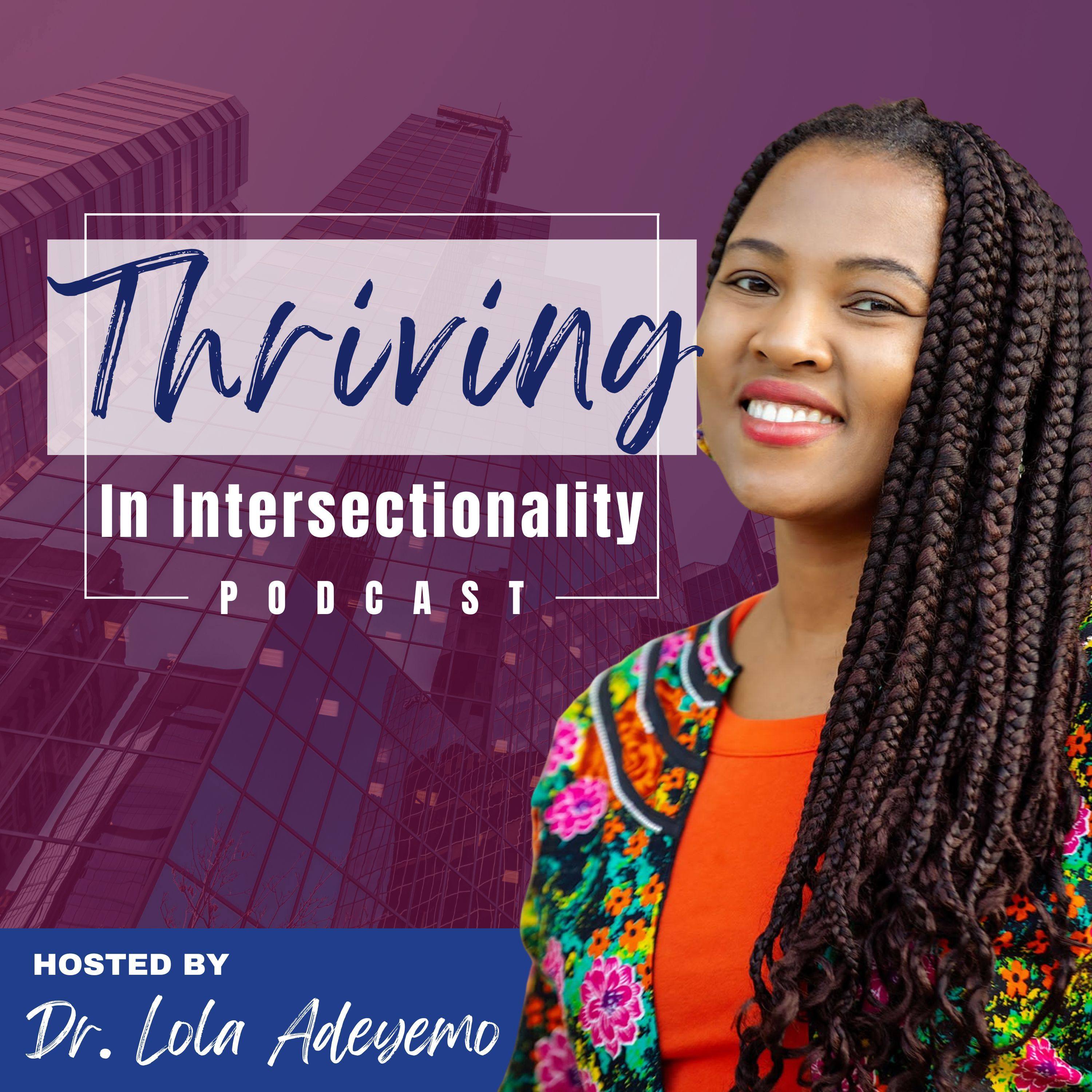
Listen "Building Your Personal Board of Directors: Why Traditional Mentorship Models Fail"
Episode Synopsis
In this insightful solo episode of Thriving in Intersectionality, host Lola Adeyemo challenges the traditional one-to-one mentorship model and introduces a powerful alternative: creating your personal board of directors. Drawing from her experience serving on multiple nonprofit boards and navigating her own career as an immigrant woman of color in STEM, Lola shares a strategic approach to assembling mentors who can address different aspects of your professional development and intersectional identity.
What You'll Learn in This Episode:
Why traditional mentorship models often set both mentors and mentees up for disappointment
How to identify gaps in your current mentorship circle
Strategies for assembling your personal board of directors across various industries and hierarchy levels
Practical approaches to maintaining meaningful relationships with multiple mentors
Setting appropriate boundaries and knowing when to evolve or end mentoring relationships
Ways to create mutual value in mentoring relationships
The Limitations of Traditional Mentorship
Lola explains how the conventional one-to-one mentorship model places unrealistic expectations on individual mentors, especially those from underrepresented groups who already face significant pressure in leadership positions. For professionals with multiple intersectional identities, finding a single mentor who understands all aspects of their experience is nearly impossible. This creates a gap between expectations and reality that can leave both parties frustrated.
The Board of Directors Approach
Drawing from her experience serving on nonprofit boards, Lola introduces a more effective alternative: creating a personal board of directors. This approach distributes the mentorship responsibility across several individuals with complementary skills, experiences, and perspectives. Just as organizations intentionally select board members to fill specific needs, professionals should strategically identify mentors who can address different aspects of their development.
Key Steps to Building Your Personal Board:
1. Assemble Your Board Strategically
Take inventory of your identity and career aspirations (e.g., woman in STEM, parent, aspiring leader)
Identify gaps in your current support network
Look for mentors across different experience levels, not just executives
Be specific about what you need from each potential board member
2. Maintain Relationships Effectively
Create value for your board members (mentorship should be mutually beneficial)
Structure different formats for interactions (15-minute check-ins, co-attending events)
Establish clear boundaries for each relationship
Regularly assess if the relationship is still providing value for both parties
Document feedback and keep doors open for future reconnection
Final Thoughts
Lola emphasizes that distributing mentorship across a "board" of individuals allows professionals to receive more targeted guidance while respecting everyone's time and expertise. This approach recognizes that no single person can fulfill all mentorship needs, especially for those with multiple intersectional identities navigating complex professional environments.
Get Involved
Rate and review this podcast wherever you get your podcasts, and don't forget to share these weekly episodes with your communities and coworkers. For more resources and upcoming events, visit the website or join the LinkedIn group.
Connect with Host Lola Adeyemo: LinkedIn
Apply to be on the podcast: Application Link
Join the Community: Membership | Facebook | Instagram
 In God we trust