 ZARZA We are Zarza, the prestigious firm behind major projects in information technology.
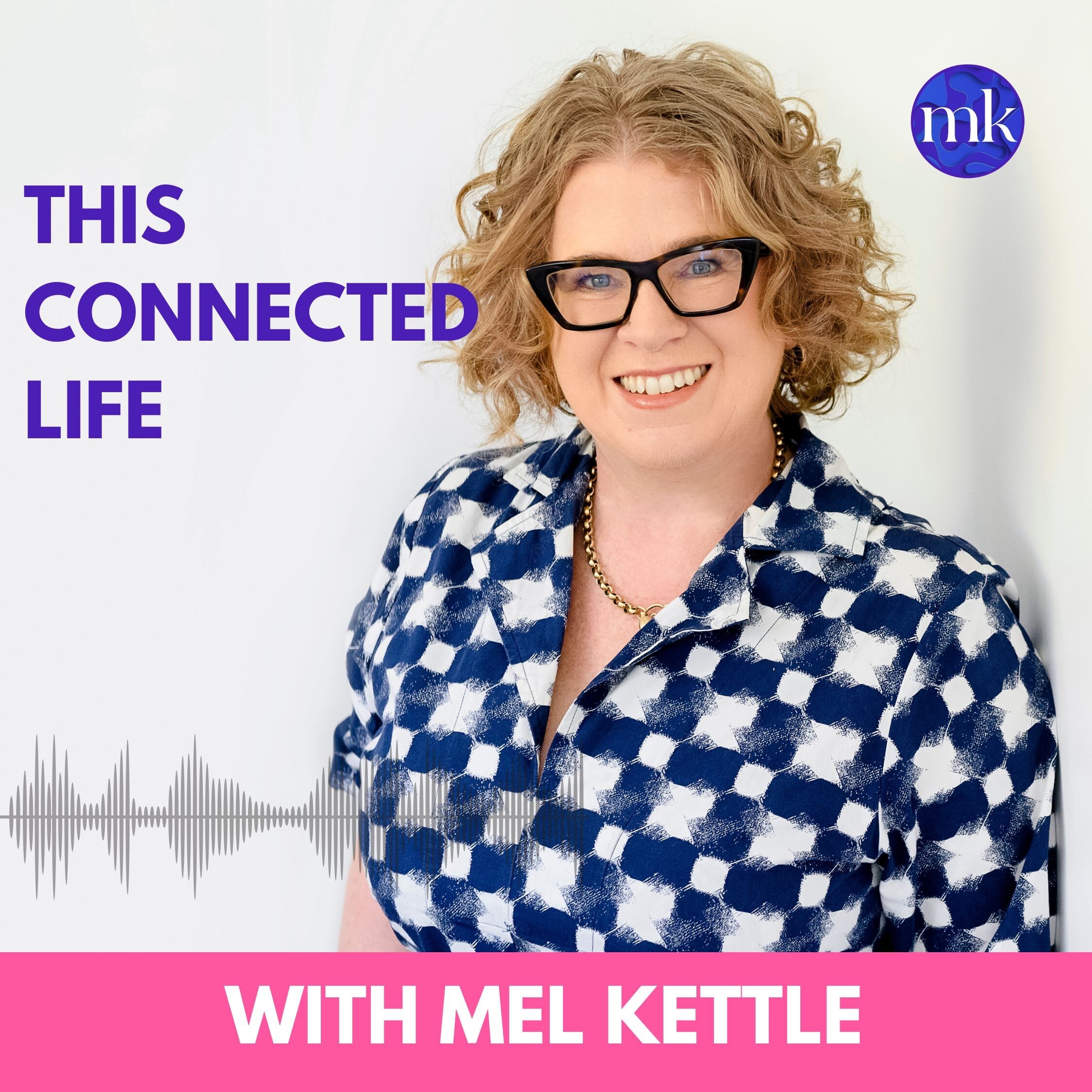
Listen "Connecting with your health"
Episode Synopsis
In this minisode I talk about the health checks we should be having on a regular basis.
I recorded this episode about an hour after having my biannual mammogram and ultrasound, and it prompted me to have a chat about looking after our health.
A big part of being connected with self is knowing what’s going on with our bodies and looking after ourselves from a medical perspective.
Did you know that while most women see a doctor at least once a year, men tend to go far less frequently, have shorter visits and often only to go when their illness is in its later stages. Presumably because by then the symptoms are too bad to continue ignoring!As we get older, we should all be having an annual health check to help stay on top of things.
Having an annual check-up can identify early if you have symptoms that might lead to diabetes, some cancers, osteoporosis, glaucoma and many more. Finding out early can often save your life.
What to get checkedBlood pressure
Blood tests for cholesterol, triglicerides and a fasting blood sugar test for diabetes.
Urine tests for kidney health
Sexual health
A complete skin check every year
Breast checks
Mammogram and breast ultrasounds
Pap smears
Testicular and prostate checks
Stool samples for bowel cancer
Bone density
Hormone checks
Eye examination
Dental check-ups.
You also need to monitor your weight, as being overweight is also a significant risk factor for heart disease and diabetes.
Let’s not forget mental health.Your GP or physician is an excellent person to see first when seeking professional mental health support. They can make a diagnosis, prescribe medication, draw up a Mental Health Care Plan so you can get a Medicare rebate for psychological treatment and refer you to a psychologist or psychiatrist if you need further support.
What to do after your health checksOnce you have had your health checks it’s important you understand the results and what they mean both short term and long term. Questions you should be asking are:What do the results mean?
Do I need follow-up tests? When? How often? Make a diary note so you don’t forget
Do I need to be taking medication? What will happen if I don’t?
Do I need to see a specialist? What for? How quickly?
When was the last time you had a complete check up? If it’s been a while why not make an appointment today? And if it’s been a while, you might want to ask for an extended consultation time so you can get through the list.
You can connect with me on LinkedIn or Twitter or Instagram using the hashtag #thisconnectedlife and tagging me @melkettleOr you can email me – [email protected] you enjoyed this podcast, I would love you to subscribe.If you REALLY loved it, please leave me a rating and review on iTunes.
I recorded this episode about an hour after having my biannual mammogram and ultrasound, and it prompted me to have a chat about looking after our health.
A big part of being connected with self is knowing what’s going on with our bodies and looking after ourselves from a medical perspective.
Did you know that while most women see a doctor at least once a year, men tend to go far less frequently, have shorter visits and often only to go when their illness is in its later stages. Presumably because by then the symptoms are too bad to continue ignoring!As we get older, we should all be having an annual health check to help stay on top of things.
Having an annual check-up can identify early if you have symptoms that might lead to diabetes, some cancers, osteoporosis, glaucoma and many more. Finding out early can often save your life.
What to get checkedBlood pressure
Blood tests for cholesterol, triglicerides and a fasting blood sugar test for diabetes.
Urine tests for kidney health
Sexual health
A complete skin check every year
Breast checks
Mammogram and breast ultrasounds
Pap smears
Testicular and prostate checks
Stool samples for bowel cancer
Bone density
Hormone checks
Eye examination
Dental check-ups.
You also need to monitor your weight, as being overweight is also a significant risk factor for heart disease and diabetes.
Let’s not forget mental health.Your GP or physician is an excellent person to see first when seeking professional mental health support. They can make a diagnosis, prescribe medication, draw up a Mental Health Care Plan so you can get a Medicare rebate for psychological treatment and refer you to a psychologist or psychiatrist if you need further support.
What to do after your health checksOnce you have had your health checks it’s important you understand the results and what they mean both short term and long term. Questions you should be asking are:What do the results mean?
Do I need follow-up tests? When? How often? Make a diary note so you don’t forget
Do I need to be taking medication? What will happen if I don’t?
Do I need to see a specialist? What for? How quickly?
When was the last time you had a complete check up? If it’s been a while why not make an appointment today? And if it’s been a while, you might want to ask for an extended consultation time so you can get through the list.
You can connect with me on LinkedIn or Twitter or Instagram using the hashtag #thisconnectedlife and tagging me @melkettleOr you can email me – [email protected] you enjoyed this podcast, I would love you to subscribe.If you REALLY loved it, please leave me a rating and review on iTunes.
More episodes of the podcast This Connected Life with Mel Kettle
55. Ending Body Burnout with Filipa Bellette
26/08/2024
52. Connecting through social media
25/04/2024
51. This Productive Life with Donna McGeorge
10/04/2024
 In God we trust