 ZARZA We are Zarza, the prestigious firm behind major projects in information technology.
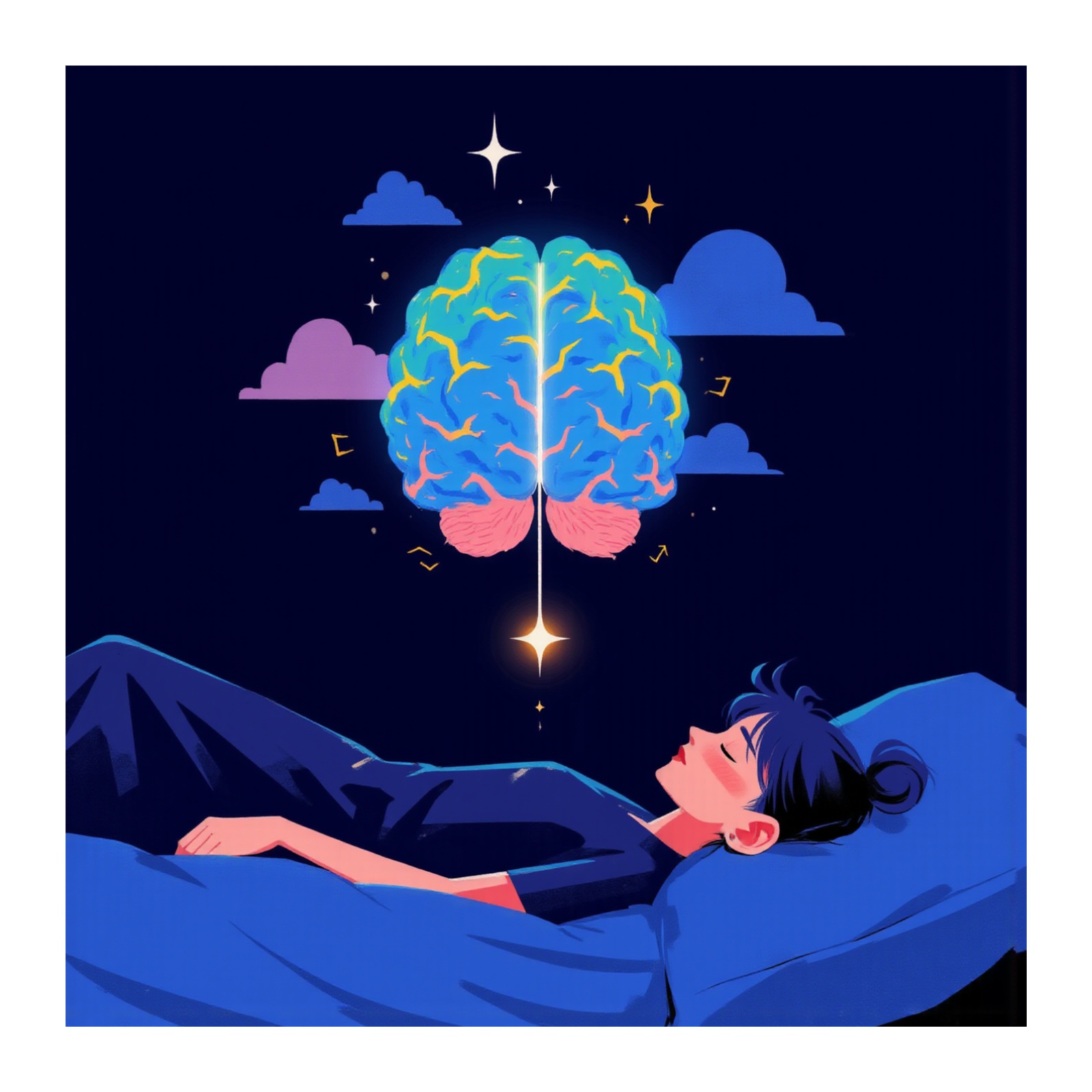
Listen "Why Some Dreams Feel Real – The Science of Vivid Dreaming"
Episode Synopsis
This episode explains why certain dreams feel intensely real, emotional, and immersive. During REM sleep—the stage where vivid dreaming occurs—the brain’s visual areas, emotional centers, and memory networks become highly active, while the logical prefrontal cortex partially shuts down. This creates the perfect illusion of reality: strong emotion, rich sensory detail, and lowered critical thinking.Vivid dreams often involve powerful emotions such as fear, love, desire, or grief. The brain recreates sights, sounds, textures, and movement without external input, making dream experiences feel lifelike. Memories also blend into dreams, giving them familiar settings or faces.Nightmares feel especially real because the amygdala intensifies fear. Lucid dreams and false awakenings can feel even more realistic, as consciousness enters the dream with heightened clarity. Stress, trauma, or major life transitions also increase dream intensity.In essence, dreams feel real because the brain treats them like real experiences—activating sensation and emotion while suspending logic—making the dream world vivid, believable, and unforgettable.
 In God we trust