 ZARZA We are Zarza, the prestigious firm behind major projects in information technology.
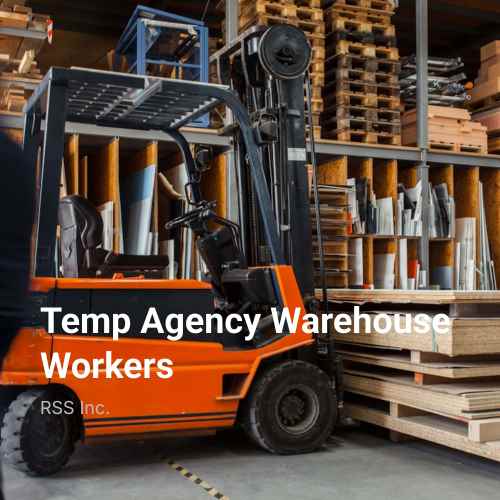
Listen "Temp Agency Warehouse Workers"
Episode Synopsis
Strategic Staffing Solutions During Strikes and Labor Disruptions
Labor strikes and warehouse staffing shortages can quickly escalate into operational crises. When a unionized workforce walks out or an organized labor action disrupts production, supply chains face immediate risk. Orders can’t be fulfilled, delivery windows are missed, and customer contracts are jeopardized. For warehouse managers and logistics leaders, maintaining operations isn’t optional—it’s mission critical.
In these situations, temp agency warehouse jobs are more than just an interim fix—they are a strategic lifeline. A well-positioned staffing partner can rapidly deploy trained warehouse associates, forklift operators, and material handlers to stabilize your operations and protect revenue.
The Role of Temp Agencies in Strike Response
When a strike hits, every hour matters. Temp staffing agencies that specialize in warehouse roles already maintain a roster of vetted, compliant workers who can be dispatched quickly. Instead of scrambling to recruit, interview, and onboard replacement staff, businesses can plug directly into an existing talent pipeline.
An experienced staffing partner will already have pre-screened workers with the right mix of skills, safety certifications, and shift flexibility. They will also understand how to navigate sensitive labor relations issues, ensuring that temporary staff are deployed in compliance with legal and operational requirements.
In the context of a strike, speed and scalability matter as much as quality. Agencies with national reach and local fulfillment capability can meet staffing needs for single facilities or multi-site operations simultaneously.
Why Temp Agency Warehouse Jobs Are Different During a Strike
During normal business operations, temporary warehouse workers might be brought in to handle seasonal spikes or project-based work. In a strike scenario, the stakes are higher.
The replacement workforce must be:
Fully trained in safety procedures to minimize workplace accidents.
Comfortable working in a high-pressure environment where production timelines are critical.
Prepared for longer shifts or altered schedules to match strike coverage requirements.
Vetted for reliability to avoid turnover during a crucial operational period.
Strike staffing also requires an agency to manage logistics beyond simple job matching—such as arranging secure transportation for workers, coordinating with security teams, and ensuring adherence to operational confidentiality.
Risk Management Through Staffing Partnerships
Labor disruptions introduce legal, financial, and reputational risks. The wrong staffing approach could inflame tensions, lead to compliance violations, or expose a business to liability.
An established staffing agency mitigates these risks by:
Conducting thorough background checks and drug testing before placement.
Providing workforce training on workplace safety, operational policies, and strike-specific guidelines.
Ensuring payroll, benefits, and employment law compliance is handled correctly.
Offering insurance coverage for workers placed at client sites.
By shifting risk and compliance management to a staffing partner, warehouse operators can focus on operational continuity instead of HR complexities.
Staffing Speed as a Competitive Advantage
In strike conditions, warehouse operations can go from fully staffed to critically short-handed in hours. Temp agencies specializing in warehouse jobs maintain candidate pipelines specifically for rapid deployment.
Top agencies can:
Deploy replacement workers within 24–48 hours.
Fill critical skill roles like forklift operators and shipping clerks immediately.
Maintain rotating rosters to ensure coverage for extended labor disputes.
This level of speed is only possible when the agency has already invested in recruiting, vetting, and building relationships with qualified warehouse professionals long before a strike occurs.
Matching Skills to Critical Warehouse Functions
Not all warehouse jobs are created equal, and not every disruption impacts the same roles. A skilled staffing partner will conduct a rapid operational assessment to prioritize coverage in the areas that keep your supply chain flowing.
Typical warehouse functions that require immediate coverage during strikes include:
Inbound receiving and unloading to prevent backlog of goods.
Order picking and packing to fulfill customer orders without delay.
Forklift operation to keep pallet movement efficient.
Inventory control to maintain stock accuracy during workforce transitions.
Shipping coordination to meet outbound logistics schedules.
By targeting the most critical functions first, agencies ensure that warehouse output remains as close to normal as possible, even in the absence of the regular workforce.
Temporary Staffing as a Bridge to Normal Operations
Most strikes are temporary, but their operational impact can be long-lasting. The goal of temp agency warehouse staffing is to bridge the gap until regular employees return or a permanent staffing change is made.
During that time, agencies work closely with clients to:
Track productivity metrics to identify bottlenecks.
Replace any underperforming temporary workers quickly.
Scale staffing levels up or down based on real-time operational needs.
Prepare transition plans for integrating returning workers when the strike ends.
This proactive management helps companies maintain stability through the uncertainty of a labor dispute.
Building a Strike-Ready Staffing Strategy
The most effective strike staffing isn’t reactive—it’s planned in advance. Forward-thinking warehouse operators work with staffing partners to create contingency staffing plans before labor tensions escalate.
A strike-ready staffing strategy includes:
Identifying the number of critical positions to fill in case of a walkout.
Establishing relationships with agencies experienced in strike staffing.
Pre-vetting a pool of replacement workers for fast deployment.
Coordinating security, transportation, and onboarding logistics in advance.
By preparing early, companies reduce downtime and avoid last-minute hiring mistakes when every decision is under pressure.
Cost Considerations: Staffing During a Strike vs. Halting Operations
When a strike occurs, some warehouse operators hesitate to bring in a temporary workforce due to perceived cost. However, the financial implications of stopping operations entirely can be far greater.
Direct costs of halting operations include:
Penalties for missed delivery deadlines under contractual agreements.
Loss of revenue from unfulfilled orders.
Wasted inventory due to spoilage or missed seasonal demand.
Indirect costs include:
Damage to customer relationships and brand reputation.
Market share loss to competitors who can still fulfill orders.
Potential long-term erosion of buyer confidence.
While deploying a strike staffing team through a temp agency involves an upfront investment, this cost is often far outweighed by the savings from keeping orders moving and meeting obligations.
Maintaining Fulfillment During a Regional Strike
Consider a regional distribution hub serving multiple big-box retailers. A sudden warehouse workers’ strike threatened to halt all outbound shipments. Within 48 hours, a staffing partner mobilized a replacement crew of over 60 trained warehouse associates and forklift operators.
The staffing agency coordinated transportation, handled shift scheduling, and provided on-site management support. As a result, the distribution center maintained 85% of its normal throughput during the strike—avoiding millions in potential contractual penalties.
While the strike lasted three weeks, the facility returned to full capacity within two days of the permanent workforce’s return, thanks to the smooth transition facilitated by the staffing partner.
Communication Protocols During Strike Staffing
When temporary workers are brought in to cover a strike, clear communication becomes a critical success factor. Misunderstandings can lead to workflow inefficiencies, safety incidents, and morale problems.
Best practices include:
Daily briefings at the start of each shift to set production goals and address safety reminders.
Designated supervisors or leads who can bridge the gap between management and temporary staff.
Regular check-ins with the staffing agency to monitor worker performance and adjust staffing levels as needed.
Clear signage and process maps to help new workers quickly adapt to the warehouse layout and procedures.
An experienced staffing partner will often provide on-site coordinators to manage these communication flows seamlessly.
Safety Considerations When Deploying Temp Workers During Strikes
Warehouse work carries inherent risks, and those risks can be amplified when workers are unfamiliar with the facility. Safety protocols should be non-negotiable during strike coverage.
Key steps include:
Providing site-specific safety training before a worker begins their first shift.
Supplying appropriate PPE (personal protective equipment) such as gloves, safety vests, and steel-toed footwear.
Ensuring all temporary forklift operators hold valid certifications.
Maintaining strict adherence to OSHA guidelines and other regulatory requirements.
A reputable staffing agency will pre-screen workers for safety qualifications and ensure compliance with all industry regulations before they step on-site.
Supporting Morale for Remaining Permanent Staff
Strikes can create tension not only between management and striking employees but also among those who continue to work during the disruption. Bringing in temporary staff can sometimes cause friction if not handled thoughtfully.
To support morale:
Communicate openly with permanent staff about the need for temporary coverage.
Recognize the contributions of both temporary and permanent employees during the disruption.
Avoid placing unrealistic demands on either group that could lead to burnout.
An agency that understands the nuances of workplace culture can help integrate temporary staff into the team in a way that minimizes conflict and promotes productivity.
Long-Term Benefits of Maintaining a Staffing Partner Relationship
Many companies only engage a staffing agency when a crisis hits. However, maintaining an ongoing partnership with a temp agency that specializes in warehouse jobs offers several advantages:
Pre-built familiarity with your facility’s processes and culture.
Faster deployment during future emergencies, including strikes, seasonal surges, or unexpected absences.
Better quality candidates due to the agency’s ability to recruit year-round with your needs in mind.
By keeping an active staffing relationship, you ensure your business is never starting from scratch when you need labor quickly.
How to Choose the Right Temp Agency for Strike Staffing
Not all staffing agencies are equally equipped to handle the complexities of strike staffing. When evaluating potential partners, consider:
Experience in warehouse strike coverage and similar high-pressure situations.
Ability to scale from a handful of workers to dozens or hundreds in a short period.
Compliance expertise to ensure all employment laws are followed.
24/7 availability for rapid issue resolution during the strike period.
Strong safety and training programs to onboard workers quickly and effectively.
An agency that can check all of these boxes is far more likely to deliver consistent, reliable results during a labor disruption.
Integrating Temp Workers Smoothly Into Warehouse Operations
The faster temporary workers can get up to speed, the more value they bring. Integration strategies include:
Providing streamlined training materials focused on critical tasks.
Pairing temporary workers with experienced leads for the first few shifts.
Using color-coded identification (such as vests or badges) to help supervisors recognize new staff and offer guidance.
Setting clear performance benchmarks from day one.
A staffing agency with on-site support can oversee these integration steps, ensuring a smooth transition from deployment to full productivity.
Building Resilience in Your Workforce Strategy
Strike coverage is just one aspect of a broader workforce resilience plan. By incorporating temporary staffing into your operational strategy year-round, you can:
Test potential permanent hires before committing to full-time employment.
Manage seasonal demand spikes without long-term headcount increases.
Cover skill gaps caused by turnover or promotions.
This approach not only prepares you for labor disruptions but also improves overall agility in your warehouse operations.
Turning Disruption Into Opportunity
A labor strike will always pose challenges, but with the right staffing partner, it doesn’t have to halt your operations. Temp agency warehouse jobs are more than just short-term labor—they are a strategic asset that can keep your supply chain moving, protect customer relationships, and safeguard revenue.
Whether you are building a contingency plan or responding to an active labor dispute, working with an experienced warehouse staffing agency ensures you have the people, processes, and protections in place to maintain business continuity. In an industry where downtime can cost millions, that level of preparedness is not just smart—it’s essential.
Labor strikes and warehouse staffing shortages can quickly escalate into operational crises. When a unionized workforce walks out or an organized labor action disrupts production, supply chains face immediate risk. Orders can’t be fulfilled, delivery windows are missed, and customer contracts are jeopardized. For warehouse managers and logistics leaders, maintaining operations isn’t optional—it’s mission critical.
In these situations, temp agency warehouse jobs are more than just an interim fix—they are a strategic lifeline. A well-positioned staffing partner can rapidly deploy trained warehouse associates, forklift operators, and material handlers to stabilize your operations and protect revenue.
The Role of Temp Agencies in Strike Response
When a strike hits, every hour matters. Temp staffing agencies that specialize in warehouse roles already maintain a roster of vetted, compliant workers who can be dispatched quickly. Instead of scrambling to recruit, interview, and onboard replacement staff, businesses can plug directly into an existing talent pipeline.
An experienced staffing partner will already have pre-screened workers with the right mix of skills, safety certifications, and shift flexibility. They will also understand how to navigate sensitive labor relations issues, ensuring that temporary staff are deployed in compliance with legal and operational requirements.
In the context of a strike, speed and scalability matter as much as quality. Agencies with national reach and local fulfillment capability can meet staffing needs for single facilities or multi-site operations simultaneously.
Why Temp Agency Warehouse Jobs Are Different During a Strike
During normal business operations, temporary warehouse workers might be brought in to handle seasonal spikes or project-based work. In a strike scenario, the stakes are higher.
The replacement workforce must be:
Fully trained in safety procedures to minimize workplace accidents.
Comfortable working in a high-pressure environment where production timelines are critical.
Prepared for longer shifts or altered schedules to match strike coverage requirements.
Vetted for reliability to avoid turnover during a crucial operational period.
Strike staffing also requires an agency to manage logistics beyond simple job matching—such as arranging secure transportation for workers, coordinating with security teams, and ensuring adherence to operational confidentiality.
Risk Management Through Staffing Partnerships
Labor disruptions introduce legal, financial, and reputational risks. The wrong staffing approach could inflame tensions, lead to compliance violations, or expose a business to liability.
An established staffing agency mitigates these risks by:
Conducting thorough background checks and drug testing before placement.
Providing workforce training on workplace safety, operational policies, and strike-specific guidelines.
Ensuring payroll, benefits, and employment law compliance is handled correctly.
Offering insurance coverage for workers placed at client sites.
By shifting risk and compliance management to a staffing partner, warehouse operators can focus on operational continuity instead of HR complexities.
Staffing Speed as a Competitive Advantage
In strike conditions, warehouse operations can go from fully staffed to critically short-handed in hours. Temp agencies specializing in warehouse jobs maintain candidate pipelines specifically for rapid deployment.
Top agencies can:
Deploy replacement workers within 24–48 hours.
Fill critical skill roles like forklift operators and shipping clerks immediately.
Maintain rotating rosters to ensure coverage for extended labor disputes.
This level of speed is only possible when the agency has already invested in recruiting, vetting, and building relationships with qualified warehouse professionals long before a strike occurs.
Matching Skills to Critical Warehouse Functions
Not all warehouse jobs are created equal, and not every disruption impacts the same roles. A skilled staffing partner will conduct a rapid operational assessment to prioritize coverage in the areas that keep your supply chain flowing.
Typical warehouse functions that require immediate coverage during strikes include:
Inbound receiving and unloading to prevent backlog of goods.
Order picking and packing to fulfill customer orders without delay.
Forklift operation to keep pallet movement efficient.
Inventory control to maintain stock accuracy during workforce transitions.
Shipping coordination to meet outbound logistics schedules.
By targeting the most critical functions first, agencies ensure that warehouse output remains as close to normal as possible, even in the absence of the regular workforce.
Temporary Staffing as a Bridge to Normal Operations
Most strikes are temporary, but their operational impact can be long-lasting. The goal of temp agency warehouse staffing is to bridge the gap until regular employees return or a permanent staffing change is made.
During that time, agencies work closely with clients to:
Track productivity metrics to identify bottlenecks.
Replace any underperforming temporary workers quickly.
Scale staffing levels up or down based on real-time operational needs.
Prepare transition plans for integrating returning workers when the strike ends.
This proactive management helps companies maintain stability through the uncertainty of a labor dispute.
Building a Strike-Ready Staffing Strategy
The most effective strike staffing isn’t reactive—it’s planned in advance. Forward-thinking warehouse operators work with staffing partners to create contingency staffing plans before labor tensions escalate.
A strike-ready staffing strategy includes:
Identifying the number of critical positions to fill in case of a walkout.
Establishing relationships with agencies experienced in strike staffing.
Pre-vetting a pool of replacement workers for fast deployment.
Coordinating security, transportation, and onboarding logistics in advance.
By preparing early, companies reduce downtime and avoid last-minute hiring mistakes when every decision is under pressure.
Cost Considerations: Staffing During a Strike vs. Halting Operations
When a strike occurs, some warehouse operators hesitate to bring in a temporary workforce due to perceived cost. However, the financial implications of stopping operations entirely can be far greater.
Direct costs of halting operations include:
Penalties for missed delivery deadlines under contractual agreements.
Loss of revenue from unfulfilled orders.
Wasted inventory due to spoilage or missed seasonal demand.
Indirect costs include:
Damage to customer relationships and brand reputation.
Market share loss to competitors who can still fulfill orders.
Potential long-term erosion of buyer confidence.
While deploying a strike staffing team through a temp agency involves an upfront investment, this cost is often far outweighed by the savings from keeping orders moving and meeting obligations.
Maintaining Fulfillment During a Regional Strike
Consider a regional distribution hub serving multiple big-box retailers. A sudden warehouse workers’ strike threatened to halt all outbound shipments. Within 48 hours, a staffing partner mobilized a replacement crew of over 60 trained warehouse associates and forklift operators.
The staffing agency coordinated transportation, handled shift scheduling, and provided on-site management support. As a result, the distribution center maintained 85% of its normal throughput during the strike—avoiding millions in potential contractual penalties.
While the strike lasted three weeks, the facility returned to full capacity within two days of the permanent workforce’s return, thanks to the smooth transition facilitated by the staffing partner.
Communication Protocols During Strike Staffing
When temporary workers are brought in to cover a strike, clear communication becomes a critical success factor. Misunderstandings can lead to workflow inefficiencies, safety incidents, and morale problems.
Best practices include:
Daily briefings at the start of each shift to set production goals and address safety reminders.
Designated supervisors or leads who can bridge the gap between management and temporary staff.
Regular check-ins with the staffing agency to monitor worker performance and adjust staffing levels as needed.
Clear signage and process maps to help new workers quickly adapt to the warehouse layout and procedures.
An experienced staffing partner will often provide on-site coordinators to manage these communication flows seamlessly.
Safety Considerations When Deploying Temp Workers During Strikes
Warehouse work carries inherent risks, and those risks can be amplified when workers are unfamiliar with the facility. Safety protocols should be non-negotiable during strike coverage.
Key steps include:
Providing site-specific safety training before a worker begins their first shift.
Supplying appropriate PPE (personal protective equipment) such as gloves, safety vests, and steel-toed footwear.
Ensuring all temporary forklift operators hold valid certifications.
Maintaining strict adherence to OSHA guidelines and other regulatory requirements.
A reputable staffing agency will pre-screen workers for safety qualifications and ensure compliance with all industry regulations before they step on-site.
Supporting Morale for Remaining Permanent Staff
Strikes can create tension not only between management and striking employees but also among those who continue to work during the disruption. Bringing in temporary staff can sometimes cause friction if not handled thoughtfully.
To support morale:
Communicate openly with permanent staff about the need for temporary coverage.
Recognize the contributions of both temporary and permanent employees during the disruption.
Avoid placing unrealistic demands on either group that could lead to burnout.
An agency that understands the nuances of workplace culture can help integrate temporary staff into the team in a way that minimizes conflict and promotes productivity.
Long-Term Benefits of Maintaining a Staffing Partner Relationship
Many companies only engage a staffing agency when a crisis hits. However, maintaining an ongoing partnership with a temp agency that specializes in warehouse jobs offers several advantages:
Pre-built familiarity with your facility’s processes and culture.
Faster deployment during future emergencies, including strikes, seasonal surges, or unexpected absences.
Better quality candidates due to the agency’s ability to recruit year-round with your needs in mind.
By keeping an active staffing relationship, you ensure your business is never starting from scratch when you need labor quickly.
How to Choose the Right Temp Agency for Strike Staffing
Not all staffing agencies are equally equipped to handle the complexities of strike staffing. When evaluating potential partners, consider:
Experience in warehouse strike coverage and similar high-pressure situations.
Ability to scale from a handful of workers to dozens or hundreds in a short period.
Compliance expertise to ensure all employment laws are followed.
24/7 availability for rapid issue resolution during the strike period.
Strong safety and training programs to onboard workers quickly and effectively.
An agency that can check all of these boxes is far more likely to deliver consistent, reliable results during a labor disruption.
Integrating Temp Workers Smoothly Into Warehouse Operations
The faster temporary workers can get up to speed, the more value they bring. Integration strategies include:
Providing streamlined training materials focused on critical tasks.
Pairing temporary workers with experienced leads for the first few shifts.
Using color-coded identification (such as vests or badges) to help supervisors recognize new staff and offer guidance.
Setting clear performance benchmarks from day one.
A staffing agency with on-site support can oversee these integration steps, ensuring a smooth transition from deployment to full productivity.
Building Resilience in Your Workforce Strategy
Strike coverage is just one aspect of a broader workforce resilience plan. By incorporating temporary staffing into your operational strategy year-round, you can:
Test potential permanent hires before committing to full-time employment.
Manage seasonal demand spikes without long-term headcount increases.
Cover skill gaps caused by turnover or promotions.
This approach not only prepares you for labor disruptions but also improves overall agility in your warehouse operations.
Turning Disruption Into Opportunity
A labor strike will always pose challenges, but with the right staffing partner, it doesn’t have to halt your operations. Temp agency warehouse jobs are more than just short-term labor—they are a strategic asset that can keep your supply chain moving, protect customer relationships, and safeguard revenue.
Whether you are building a contingency plan or responding to an active labor dispute, working with an experienced warehouse staffing agency ensures you have the people, processes, and protections in place to maintain business continuity. In an industry where downtime can cost millions, that level of preparedness is not just smart—it’s essential.
More episodes of the podcast RSS Staffing Inc.
KPIs to Track in Contingency Staffing
18/09/2025
Solar Installer Jobs and Staffing Trends
14/08/2025
 In God we trust