 ZARZA We are Zarza, the prestigious firm behind major projects in information technology.
Listen "Because You Were Strangers: Caring for the Refugee Population | Ep5"
Episode Synopsis
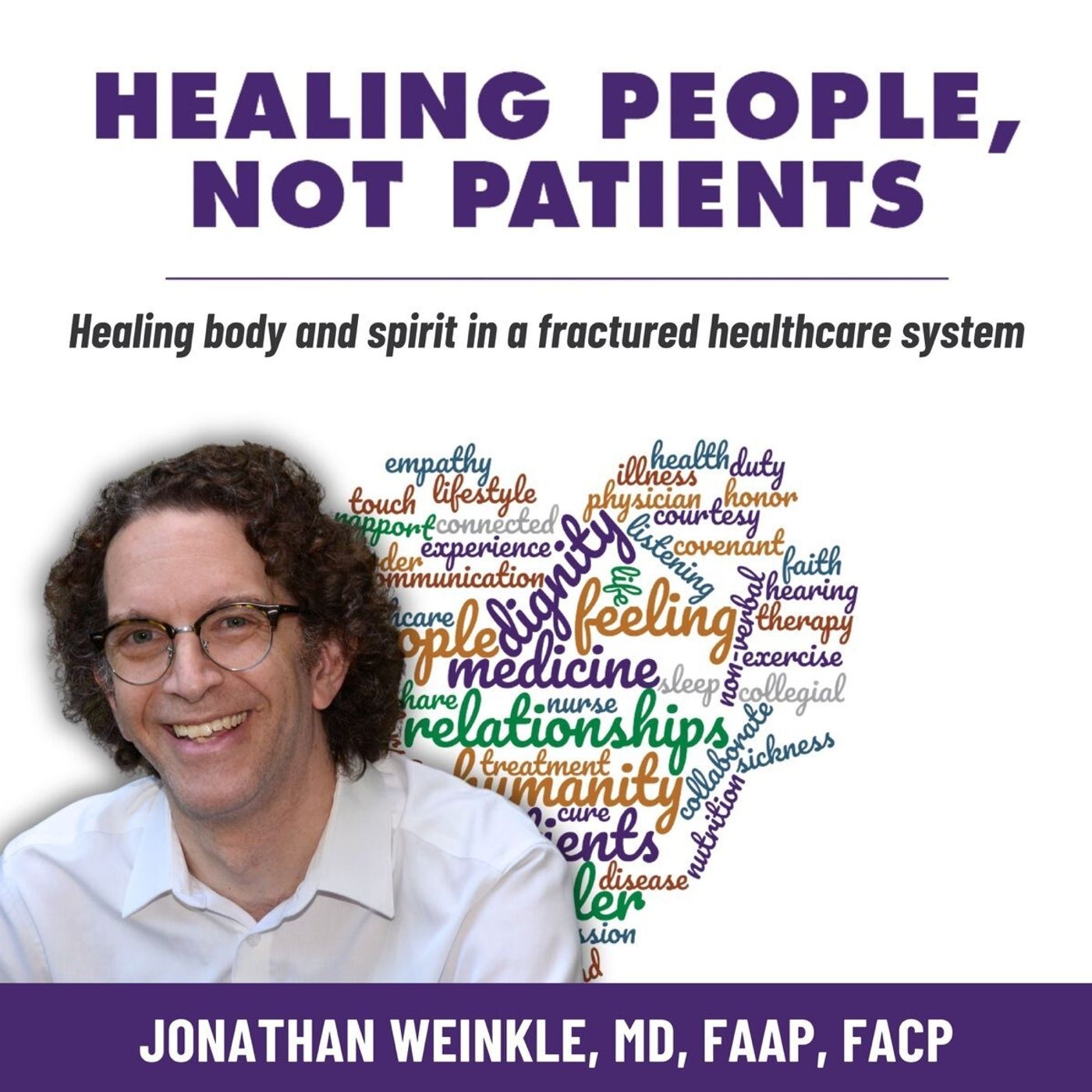
How do we welcome the stranger in today’s clinics?In Episode 5 of Healing People, Not Patients, Dr. Naghmeh Rowhani, and Ashok Gurung, join Dr. Jonathan Weinkle to discuss refugee and immigrant health. Dr. Rowhani, building a new pediatric immigrant clinic in San Diego, shares barriers like language gaps and fear of ICE. Ashok, a Bhutanese refugee now in medical school, recounts surviving refugee camps, community suicides, and translating mental health concepts across cultures. Together they explore cultural humility, somatic symptoms of trauma, and community resilience amid political turmoil—urging clinicians to advocate beyond medicine and foster trust through genuine care.Top 3 Takeaways:Cultural Humility Over Competency: No clinician can master every culture; success lies in humility, curiosity, and building trust over time—especially when language or worldview gaps persist.Trauma Hides in the Body: Refugees often present with unexplained pain (headaches, abdominal pain) rooted in stress and displacement; ruling out physical causes while gently addressing psychological roots requires patience and cultural sensitivity.Community as Medicine: Tight-knit immigrant networks provide food, support, and hope during crises (e.g., food stamp cuts); clinicians succeed by connecting patients to these lifelines and advocating for housing, education, and safety.About the Guests:Dr. Naghmeh Rowhani, is an academic faculty in Pediatrics at UC San Diego, developing an immigrant/refugee health clinic with a federally qualified health center. With an MPH from Harvard focused on child protection, she previously worked with global orphans and near-border Mexican communities.LinkedIn : linkedin.com/in/naghmeh-rowhani-md-mphAshok Gurung, a Bhutanese refugee orphaned young, survived refugee camps and now pursues his MD at AdventHealth/University of Chicago. A community leader addressing Bhutanese mental health crises and suicides, he bridges cultural concepts of trauma for better care.About the ShowHealing People, Not Patients explores ways to enhance medical practice by infusing it with compassion, humanity, and a deeper sense of purpose, aiming to help healthcare professionals rediscover the "soul" of their work. Framed around the four questions of the Passover Seder, it probes how to transform medicine for the better, promoting an empathetic and supportive approach that empowers patients to create meaningful, sober lives, while drawing on Jewish teachings about community and friendship."Our theme song, "Room for the Soul," is available on Bandcamp at https://jonathanweinkle.bandcamp.com/track/room-for-the-soul."About the HostDr. Jonathan Weinkle is an internist and pediatrician who practices primary care at a community health center in Pittsburgh. He strives to be a "nice Jewish doctor" focused on patient-centered healthcare, emphasizing effective communication and holistic well-being.He teaches the courses, “Death and the Healthcare Professions” and “Healing and Humanity” at the University of Pittsburgh, authored the books Healing People, Not Patients and Illness to Exodus, and runs ‘Healers Who Listen’, where he blogs on healing and Jewish tradition. Once an aspiring rabbi, he now integrates faith and medicine to support other physicians and his own patients.🌐 Website: healerswholisten.com🔗 LinkedIn: linkedin.com/in/jonathan-weinkle-3440032a📸 Instagram: @HealersWhoListen📘 Facebook: @JonathanWeinkle
The Healing People, Not Patients Podcast is for informational and educational purposes only and does not constitute medical, legal, or professional advice. Always consult qualified professionals regarding your personal or organizational decisions.
The Healing People, Not Patients Podcast is for informational and educational purposes only and does not constitute medical, legal, or professional advice. Always consult qualified professionals regarding your personal or organizational decisions.
 In God we trust