 ZARZA We are Zarza, the prestigious firm behind major projects in information technology.
Listen "Sanction"
Episode Synopsis
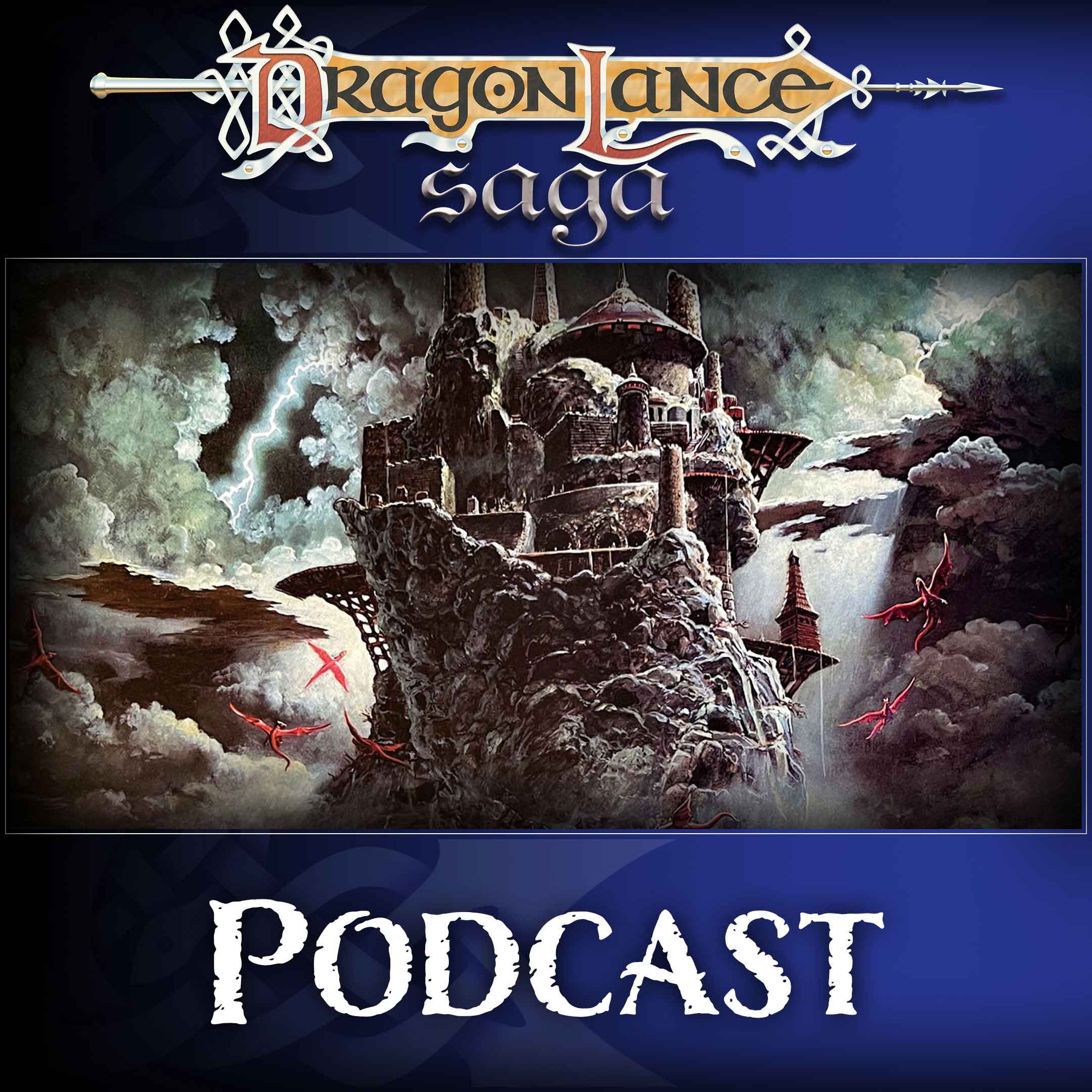
Surrounded by the Lords of Doom, Sanction sits as a testament to endurance. It has been held by every major faction in Krynn’s history, so let’s take a deeper look at this integral port city. You can buy Age of Mortals here: https://www.dmsguild.com/en/product/557/age-of-mortals-3-5?affiliate_id=50797
https://youtu.be/9bMF0ncsuv0
Transcript
Cold Open
It was once held by the Dragonarmies and even features three temples and volcanoes, but in the Age of Mortals, it has taken a drastic turn.
Intro
Welcome to another DragonLance Saga episode. My name is Adam and today I am going to talk about Sanction. I would like to take a moment and thank the DLSaga YouTube members and Patreon patrons, and invite you to consider becoming a member or patron, you can even pick up Dragonlance media using my affiliate links in the description below. I am referencing The Atlas of the Dragonlance World, the Tales of the Lance Boxed Set, The Dragonlance Fifth Age Dramatic Supplement Game, and War of the Lance & Age of Mortals sourcebooks for this information. If I leave anything out or misspeak, please leave a comment below!
Discussion
On the northeastern shores of the New Sea, ringed by the jagged Khalkist Mountains and overshadowed by three howling volcanoes, stands a city whose very foundations tremble with fire. A city of lava-choked streets, ancient temples, hidden tunnels, and the beating heart of the Dragonarmies. This is Sanction—the City of Doom.
Long before its name became synonymous with darkness, Sanction was a sturdy mountain town guarded by cliffs and blessed with a natural harbor sheltered by stone. It served as the eastern anchor of the Solamnic trade road, moving granite from its quarries and tar from its pits to the wider world. The Khalkist Mountains hemmed it in on three sides. Only two passes were widely known: North, through the plains of Estwilde, and East, along the road to Neraka. Yet mountain villagers whispered of a third path—a hidden trail climbing high across the shoulders of the peaks later known as the Lords of Doom. But everything changed when those mountains awakened.
After the Cataclysm, the land convulsed. New chasms tore open. The sea surged inland to create the New Sea itself. And three monstrous volcanoes burst from the earth: the Northwest peak, Mount Thunderhorn, the Northeast peak, Mount Ashkir, and the Southeast peak, Mount Grishnor. Together, they towered nearly 4,000 feet above the city and even above the local Doom Range of the Khalkists. By 287 AC—sixty-five years before the War of the Lance—they were already active, spewing ash and fire into the sky as the stolen eggs of the metallic dragons were secreted into their fiery bowels. Whether the Cataclysm awakened them or created them outright remains a mystery. But their presence reshaped the city—and doomed it.
By the time the Companions arrived, Sanction was a furnace. Widening streams of lava threaded directly through the city. Stone bridges arched over molten rivers. The air grew thick with fumes—hot enough that breath itself burned. What little flat ground remained was packed with misery and desperation. The streets were a maze of twisting alleys lined with: ancient warehouses near the docks, hastily built structures toward the east, brothels, slave markets, and slums, and rotting timber houses beside smoke-scoured stone. The central district—split in half by a major lava flow—was a sprawling slum and a favored haunt of the Dragonarmy troops. And above it all, three temples loomed on the volcanic slopes like the dark gods watching their sacrifice.
When the Dragonarmies seized Sanction, they expanded far beyond the city’s limits, raising three enormous military encampments on the mountainsides to the east: The Southern Camp with around 6,000 goblins, hobgoblins, and humans, and 500 tents. It was Hellishly hot, overcrowded, and chaotic. The Eastern Camp featured approximately 820 ogres, minotaurs, trolls, and hill giants, and 120 large tents, and it was a brutal, dangerous, but less crowded force. The Northern Camp featured approximately 3,000 draconians, and 230 tents, and was strict, orderly, and disciplined. These forces more than replaced the half of Sanction’s original population that fled the volcanic devastation. The city was now the principal port and fortress of the Dragonarmies, surrounded by a ship blockade and fiercely guarded passes. And the true heart of that dark power lay within the three temples.
On the slopes of the volcanoes stood three massive structures, each rising above the slums and smoke: The Temple of Huerzyd — The White Temple in the Northwest. It was the only pre-Cataclysmic temple in Sanction that was dedicated originally to the true gods. It was abandoned, neglected, and avoided by the Dragonarmies. It was secretly the heart of Shadowpeople culture. And below the temple, the Shadowpeople carved a labyrinth of rooms featuring 12 chambers, the great Shadowhall, six clan caverns, mushroom farms for sustenance, and three trapped tunnel passages extending under Sanction. These hidden ways allowed them to spy, assist prisoners, and ultimately save dragon eggs from corruption.
The Temple of Duerghast — The Black Fortress in the Southeast, was dedicated post-Cataclysm to a false god of human sacrifice. Its upper levels included an arena, cages, and bloodsport chambers. The lower levels had cells, torture rooms, and execution chambers. The Dragonarmies repurposed it seamlessly. Shadowpeople carved tunnels behind one row of cells to rescue captives. Duerghast was a fortress of cruelty—perfect for tyranny.
The Temple of Luerkhisis — The Dragon’s Head is in the Northeast. It is the largest and most infamous temple. It is cut into the volcano in the shape of a vast dragon’s head. This was the center of Takhisis’s power in Sanction. Ariakas resided here during the War of the Lance, in a suite complete with a map room. After Ariakas’s death, Kitiara took over his chambers and command. The upper levels held worship halls, libraries, and quarters converted for military use. But its darkest secret lay hidden in the bowels of the temple: The Chambers of Corruption
Here, in five guarded rooms, the eggs of good dragons were perverted through dark rituals. In the sixth chamber, amid roaring firepots, stood the Altar of Corruption itself—the cradle of the draconians. And from here, a tunnel—known only to the Shadowpeople—crossed a bridge above the volcanic fire into the Cavern of the Old One, eldest and wisest of their race. Without these tunnels, the metallic dragons would never have been freed.
Even after the war, Sanction remained a desperate, volcanic ruin filled with criminals, mercenaries, and the stern memory of tyranny. But after the Chaos War, a stranger arrived. A man cloaked in secrecy and resolve: Hogan Bight. Through means never fully explained—magic, pact, or sheer audacity—he calmed the volcanoes. Eruptions lessened. Lava flows shrank. And Sanction slowly became livable. Bight united wharf rats, ex-soldiers, sailors, and desperate citizens into a disciplined force. He brought law, order, and the beginnings of prosperity. Until Mina and the One God swept across Ansalon. Sanction fell again. Bight vanished. And the people suffered under divine tyranny. When the War of Souls ended, Hogan Bight returned—alive but changed—and resumed leadership of the battered, resilient city.
Modern Sanction is a contradiction: It was born of fire, yet clinging to hope. It’s surrounded by mountains, yet tied to the sea. It was defined by tyranny, yet strives for freedom. And it is scarred by tunnels, temples, and molten rivers, yet continuously is rebuilt. Its harbor remains fortified by natural cliffs. Its streets still wind through ash and stone. And the Lords of Doom continue to watch, eternal and ever-threatening. But Sanction survives. It always survives.
From a peaceful trade town to a volcanic wasteland…from the laboratory of the Dragonarmies to the refuge of the Shadowpeople…from tyranny to reform, from fall to rise, again and again…Sanction endures as one of Ansalon’s most dramatic stories of destruction and defiance. In the shadow of the Lords of Doom, The City of Doom refuses to die.
Outro
And that is all I have to say about Sanction. What do you think of this port city? Will evil ever reclaim it? And finally, will it have any import in the years following the Age of Mortals? Leave a comment below.
I would like to invite you to subscribe to this YouTube channel, ring the bell to get notified about upcoming videos, and click the like button. It all helps other Dragonlance fans learn about this channel and its content. Thank you for watching — this has been Adam with DragonLance Saga, and until next time, remember:
Come along, Solostaran, I’ll help. We old men have to stick together. Too bad you’re such a damn fool.
https://youtu.be/9bMF0ncsuv0
Transcript
Cold Open
It was once held by the Dragonarmies and even features three temples and volcanoes, but in the Age of Mortals, it has taken a drastic turn.
Intro
Welcome to another DragonLance Saga episode. My name is Adam and today I am going to talk about Sanction. I would like to take a moment and thank the DLSaga YouTube members and Patreon patrons, and invite you to consider becoming a member or patron, you can even pick up Dragonlance media using my affiliate links in the description below. I am referencing The Atlas of the Dragonlance World, the Tales of the Lance Boxed Set, The Dragonlance Fifth Age Dramatic Supplement Game, and War of the Lance & Age of Mortals sourcebooks for this information. If I leave anything out or misspeak, please leave a comment below!
Discussion
On the northeastern shores of the New Sea, ringed by the jagged Khalkist Mountains and overshadowed by three howling volcanoes, stands a city whose very foundations tremble with fire. A city of lava-choked streets, ancient temples, hidden tunnels, and the beating heart of the Dragonarmies. This is Sanction—the City of Doom.
Long before its name became synonymous with darkness, Sanction was a sturdy mountain town guarded by cliffs and blessed with a natural harbor sheltered by stone. It served as the eastern anchor of the Solamnic trade road, moving granite from its quarries and tar from its pits to the wider world. The Khalkist Mountains hemmed it in on three sides. Only two passes were widely known: North, through the plains of Estwilde, and East, along the road to Neraka. Yet mountain villagers whispered of a third path—a hidden trail climbing high across the shoulders of the peaks later known as the Lords of Doom. But everything changed when those mountains awakened.
After the Cataclysm, the land convulsed. New chasms tore open. The sea surged inland to create the New Sea itself. And three monstrous volcanoes burst from the earth: the Northwest peak, Mount Thunderhorn, the Northeast peak, Mount Ashkir, and the Southeast peak, Mount Grishnor. Together, they towered nearly 4,000 feet above the city and even above the local Doom Range of the Khalkists. By 287 AC—sixty-five years before the War of the Lance—they were already active, spewing ash and fire into the sky as the stolen eggs of the metallic dragons were secreted into their fiery bowels. Whether the Cataclysm awakened them or created them outright remains a mystery. But their presence reshaped the city—and doomed it.
By the time the Companions arrived, Sanction was a furnace. Widening streams of lava threaded directly through the city. Stone bridges arched over molten rivers. The air grew thick with fumes—hot enough that breath itself burned. What little flat ground remained was packed with misery and desperation. The streets were a maze of twisting alleys lined with: ancient warehouses near the docks, hastily built structures toward the east, brothels, slave markets, and slums, and rotting timber houses beside smoke-scoured stone. The central district—split in half by a major lava flow—was a sprawling slum and a favored haunt of the Dragonarmy troops. And above it all, three temples loomed on the volcanic slopes like the dark gods watching their sacrifice.
When the Dragonarmies seized Sanction, they expanded far beyond the city’s limits, raising three enormous military encampments on the mountainsides to the east: The Southern Camp with around 6,000 goblins, hobgoblins, and humans, and 500 tents. It was Hellishly hot, overcrowded, and chaotic. The Eastern Camp featured approximately 820 ogres, minotaurs, trolls, and hill giants, and 120 large tents, and it was a brutal, dangerous, but less crowded force. The Northern Camp featured approximately 3,000 draconians, and 230 tents, and was strict, orderly, and disciplined. These forces more than replaced the half of Sanction’s original population that fled the volcanic devastation. The city was now the principal port and fortress of the Dragonarmies, surrounded by a ship blockade and fiercely guarded passes. And the true heart of that dark power lay within the three temples.
On the slopes of the volcanoes stood three massive structures, each rising above the slums and smoke: The Temple of Huerzyd — The White Temple in the Northwest. It was the only pre-Cataclysmic temple in Sanction that was dedicated originally to the true gods. It was abandoned, neglected, and avoided by the Dragonarmies. It was secretly the heart of Shadowpeople culture. And below the temple, the Shadowpeople carved a labyrinth of rooms featuring 12 chambers, the great Shadowhall, six clan caverns, mushroom farms for sustenance, and three trapped tunnel passages extending under Sanction. These hidden ways allowed them to spy, assist prisoners, and ultimately save dragon eggs from corruption.
The Temple of Duerghast — The Black Fortress in the Southeast, was dedicated post-Cataclysm to a false god of human sacrifice. Its upper levels included an arena, cages, and bloodsport chambers. The lower levels had cells, torture rooms, and execution chambers. The Dragonarmies repurposed it seamlessly. Shadowpeople carved tunnels behind one row of cells to rescue captives. Duerghast was a fortress of cruelty—perfect for tyranny.
The Temple of Luerkhisis — The Dragon’s Head is in the Northeast. It is the largest and most infamous temple. It is cut into the volcano in the shape of a vast dragon’s head. This was the center of Takhisis’s power in Sanction. Ariakas resided here during the War of the Lance, in a suite complete with a map room. After Ariakas’s death, Kitiara took over his chambers and command. The upper levels held worship halls, libraries, and quarters converted for military use. But its darkest secret lay hidden in the bowels of the temple: The Chambers of Corruption
Here, in five guarded rooms, the eggs of good dragons were perverted through dark rituals. In the sixth chamber, amid roaring firepots, stood the Altar of Corruption itself—the cradle of the draconians. And from here, a tunnel—known only to the Shadowpeople—crossed a bridge above the volcanic fire into the Cavern of the Old One, eldest and wisest of their race. Without these tunnels, the metallic dragons would never have been freed.
Even after the war, Sanction remained a desperate, volcanic ruin filled with criminals, mercenaries, and the stern memory of tyranny. But after the Chaos War, a stranger arrived. A man cloaked in secrecy and resolve: Hogan Bight. Through means never fully explained—magic, pact, or sheer audacity—he calmed the volcanoes. Eruptions lessened. Lava flows shrank. And Sanction slowly became livable. Bight united wharf rats, ex-soldiers, sailors, and desperate citizens into a disciplined force. He brought law, order, and the beginnings of prosperity. Until Mina and the One God swept across Ansalon. Sanction fell again. Bight vanished. And the people suffered under divine tyranny. When the War of Souls ended, Hogan Bight returned—alive but changed—and resumed leadership of the battered, resilient city.
Modern Sanction is a contradiction: It was born of fire, yet clinging to hope. It’s surrounded by mountains, yet tied to the sea. It was defined by tyranny, yet strives for freedom. And it is scarred by tunnels, temples, and molten rivers, yet continuously is rebuilt. Its harbor remains fortified by natural cliffs. Its streets still wind through ash and stone. And the Lords of Doom continue to watch, eternal and ever-threatening. But Sanction survives. It always survives.
From a peaceful trade town to a volcanic wasteland…from the laboratory of the Dragonarmies to the refuge of the Shadowpeople…from tyranny to reform, from fall to rise, again and again…Sanction endures as one of Ansalon’s most dramatic stories of destruction and defiance. In the shadow of the Lords of Doom, The City of Doom refuses to die.
Outro
And that is all I have to say about Sanction. What do you think of this port city? Will evil ever reclaim it? And finally, will it have any import in the years following the Age of Mortals? Leave a comment below.
I would like to invite you to subscribe to this YouTube channel, ring the bell to get notified about upcoming videos, and click the like button. It all helps other Dragonlance fans learn about this channel and its content. Thank you for watching — this has been Adam with DragonLance Saga, and until next time, remember:
Come along, Solostaran, I’ll help. We old men have to stick together. Too bad you’re such a damn fool.
More episodes of the podcast DragonLance Saga
2026 Dragons of Autumn Twilight Watch Party
16/01/2026
Are Wizards of High Sorcery Clerics?
13/01/2026
DM101: The Five Pillars of Running the Table
13/01/2026
OA News – January 9th, 2026
10/01/2026
Dragonlance Hangout – January 7th, 2026
08/01/2026
The Citadel Review
06/01/2026
Was Raistlin Majere A Warlock?
06/01/2026
 In God we trust