 ZARZA We are Zarza, the prestigious firm behind major projects in information technology.
Listen "AI and Language Bias: Breaking Down the Digital Language Divide"
Episode Synopsis
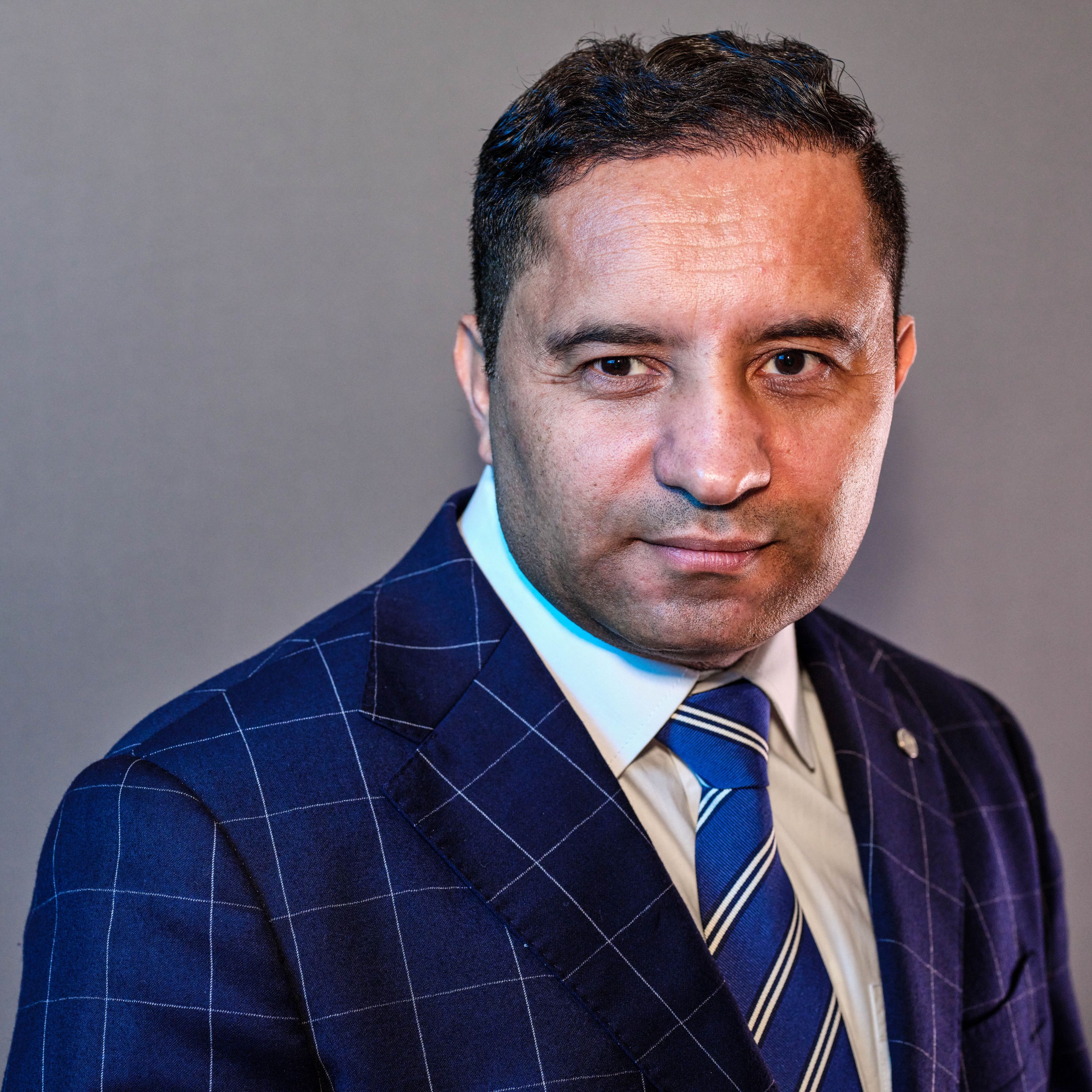
Welcome to "AI with Shaily," hosted by Shailendra Kumar, a thoughtful male presenter who delves into the fascinating and complex world of artificial intelligence 🤖🌍. In this episode, Shailendra tackles a crucial and somewhat unexpected challenge: how AI is changing our understanding of language—and not always in a positive way 🗣️⚠️.
He invites listeners to imagine using ChatGPT to research a complicated topic like the India-China border dispute. Depending on whether you ask in Hindi, Chinese, or Arabic, you won’t just get different answers—you’ll get entirely different narratives 📚🌐. This is based on a revealing study from Johns Hopkins computer scientists, showing that AI tools unintentionally create a digital language divide. Instead of making information accessible to everyone, these AI systems tend to favor dominant languages like English, leaving minority languages behind 🏆📉. This leads to “information cocoons,” where people receive filtered and sometimes biased viewpoints shaped by their language choice 🕸️🔍.
Shailendra explains that large language models (LLMs) are sometimes called “faux polyglots” because, while they appear to handle many languages, they mainly amplify the most dominant voices, especially English speakers 🎭🗣️. This isn’t just a technical flaw; it impacts how people understand global news, form opinions, and even make decisions on policies that affect millions 🌎🗳️.
He shares a personal reflection from his experience discussing AI’s role in education. If children learn through AI systems biased toward dominant languages, they risk missing out on diverse cultural viewpoints, which are vital for fostering empathy and global awareness in young minds 👧🏽👦🏻📖❤️.
As a helpful tip, Shailendra suggests that users try querying AI in multiple languages or cross-check information from different linguistic sources, like having a multilingual friend verify the story for you 🗨️👫🌐.
The topic sparked lively debates at a recent computational linguistics conference at Johns Hopkins, highlighting issues of fairness in AI 🤝🎤. The discussions also covered AI’s impact on education and ethical concerns about how AI is trained using licensed book catalogs 📚⚖️.
The big question Shailendra poses is: How can we guide AI to truly break down language barriers rather than reinforce them? This challenge combines technology with human values, and as AI enthusiasts, we all have a role in advocating for smarter, fairer AI models 🧠💡🤝.
He closes with a powerful quote from philosopher Ludwig Wittgenstein: “The limits of my language mean the limits of my world.” If AI narrows these limits, everyone loses something essential 🌍🔒.
Listeners are encouraged to follow Shailendra Kumar on YouTube, Twitter, LinkedIn, and Medium for more insightful AI news and honest conversations. He invites them to subscribe and share their thoughts on how AI should address language bias, fostering an ongoing dialogue 🖥️📱💬.
The episode ends with a warm encouragement to keep questioning, learning, and staying curious—hallmarks of Shailendra’s engaging and thoughtful hosting style 🌟🤓✨.
He invites listeners to imagine using ChatGPT to research a complicated topic like the India-China border dispute. Depending on whether you ask in Hindi, Chinese, or Arabic, you won’t just get different answers—you’ll get entirely different narratives 📚🌐. This is based on a revealing study from Johns Hopkins computer scientists, showing that AI tools unintentionally create a digital language divide. Instead of making information accessible to everyone, these AI systems tend to favor dominant languages like English, leaving minority languages behind 🏆📉. This leads to “information cocoons,” where people receive filtered and sometimes biased viewpoints shaped by their language choice 🕸️🔍.
Shailendra explains that large language models (LLMs) are sometimes called “faux polyglots” because, while they appear to handle many languages, they mainly amplify the most dominant voices, especially English speakers 🎭🗣️. This isn’t just a technical flaw; it impacts how people understand global news, form opinions, and even make decisions on policies that affect millions 🌎🗳️.
He shares a personal reflection from his experience discussing AI’s role in education. If children learn through AI systems biased toward dominant languages, they risk missing out on diverse cultural viewpoints, which are vital for fostering empathy and global awareness in young minds 👧🏽👦🏻📖❤️.
As a helpful tip, Shailendra suggests that users try querying AI in multiple languages or cross-check information from different linguistic sources, like having a multilingual friend verify the story for you 🗨️👫🌐.
The topic sparked lively debates at a recent computational linguistics conference at Johns Hopkins, highlighting issues of fairness in AI 🤝🎤. The discussions also covered AI’s impact on education and ethical concerns about how AI is trained using licensed book catalogs 📚⚖️.
The big question Shailendra poses is: How can we guide AI to truly break down language barriers rather than reinforce them? This challenge combines technology with human values, and as AI enthusiasts, we all have a role in advocating for smarter, fairer AI models 🧠💡🤝.
He closes with a powerful quote from philosopher Ludwig Wittgenstein: “The limits of my language mean the limits of my world.” If AI narrows these limits, everyone loses something essential 🌍🔒.
Listeners are encouraged to follow Shailendra Kumar on YouTube, Twitter, LinkedIn, and Medium for more insightful AI news and honest conversations. He invites them to subscribe and share their thoughts on how AI should address language bias, fostering an ongoing dialogue 🖥️📱💬.
The episode ends with a warm encouragement to keep questioning, learning, and staying curious—hallmarks of Shailendra’s engaging and thoughtful hosting style 🌟🤓✨.
 In God we trust